 EN

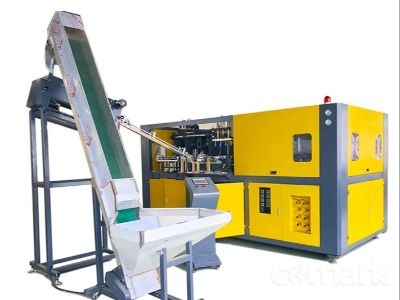
Sizing a blow molding machine to match your preform supply and daily output is a critical step in optimizing your production process. As a B2B buyer, understanding the intricacies of machine sizing can directly impact your operational efficiency, production costs, and product quality. This article will guide you through the essential considerations, quality and cost factors, and provide insights into applications and installation guidance for blow molding machines, ensuring you make an informed purchasing decision.
What to Consider When Sizing a Blow Molding Machine for Production?
When sizing a blow molding machine, several key factors should be evaluated to ensure it aligns with your production requirements. First, assess your daily output needs. This includes calculating the total number of units you plan to produce and understanding the cycle time of the blow molding process. Each blowing machine has a defined output capacity, often measured in bottles or containers per hour, which should match or exceed your production goals.
Next, consider the specifications of your preform supply. The dimensions and weight of the preforms will affect the machine's configuration. Additionally, the type of material used for the preforms influences the machine's temperature settings and processing capabilities. For instance, PET preforms have specific thermal requirements that must be met for optimal molding results.
Lastly, anticipate any potential future growth in production demand. Sizing a machine that can accommodate increased output will save you from future capital expenses and operational disruptions.
Quality Factors to Evaluate in Blow Molding Machine Sizing
Quality is paramount in the blow molding process, and several factors directly influence the machine's ability to produce high-quality outputs. One critical factor is the machine's control system, which should offer precise control over temperature, pressure, and timing. Variable control systems allow for adjustments that can optimize the production of different container sizes and shapes.
Additionally, the material compatibility should be considered. Ensure that the machine is designed for the specific polymers you intend to use. For example, some machines are optimized for high-density polyethylene (HDPE), while others may perform better with polypropylene (PP) or PET. Mismatched materials can lead to defects such as inconsistent wall thickness or poor surface finish.
Regular maintenance and quality control processes should be part of your evaluation. A machine blow with easy access for maintenance and a robust diagnostics system will minimize downtime and ensure consistent quality in production.
Cost Factors to Consider in Sizing Your Blow Molding Machine
When considering the cost of sizing your blow molding machine, it's essential to look beyond the initial purchase price. First, evaluate the total cost of ownership, which includes operating costs, maintenance expenses, and energy consumption. Machines that are energy-efficient may have a higher upfront cost but can lead to significant savings over time.
Consider the customization capabilities of the machine. Some suppliers offer machines that can be tailored to specific production needs. While these may require a larger initial investment, they can enhance productivity and reduce waste, ultimately lowering costs.
Lastly, don't overlook the importance of warranties and support services. A machine with a robust warranty and responsive customer support can save you from unexpected expenses and production delays due to machine failures.
Understanding Applications for Different Blow Molding Machines
Blow molding machines come in various types, each suited for specific applications. Understanding these applications will help you choose the right machine for your needs. The most common types include extrusion blow molding, injection blow molding, and stretch blow molding.
Extrusion Blow Molding: Best suited for making large containers like barrels and tanks, this method involves extruding a parison that is then inflated into a mold. It's ideal for products requiring high volume and lower complexity.
Injection Blow Molding: This process is often used for smaller, high-precision containers like bottles for pharmaceuticals or cosmetics. It offers superior surface quality and dimensional accuracy.
Stretch Blow Molding: Typically used for producing PET bottles, this method provides excellent clarity and strength. It's commonly found in the beverage industry, where high-quality packaging is crucial.
By understanding the specific applications of each machine type, you can align your production needs with the appropriate technology.
Installation Guidance for Your Selected Blow Molding Machine Size
Proper installation of your blow molding machine is essential for optimal performance and longevity. Begin by ensuring that the installation area meets the required specifications, including adequate space for the machine, access to utilities, and proper ventilation.
Next, follow the manufacturer's guidelines for setup. This often includes leveling the machine, securing it to the floor, and connecting all utilities such as air, water, and electricity. Engage trained professionals for this process, as errors in installation can lead to operational inefficiencies and safety hazards.
Once installed, conduct thorough testing with your preforms before commencing full production. This step is vital for identifying any adjustments needed in settings to ensure that the machine operates efficiently and produces high-quality outputs. Regular training for your operators on the specific stretch blow molding machine functions and maintenance routines will further enhance the operational effectiveness of your blow molding investment.
In summary, careful consideration of these factors will ensure that the blow molding machine you choose is well-suited for your production needs, ultimately leading to enhanced efficiency and product quality.
Table of Contents
- What to Consider When Sizing a Blow Molding Machine for Production?
- Quality Factors to Evaluate in Blow Molding Machine Sizing
- Cost Factors to Consider in Sizing Your Blow Molding Machine
- Understanding Applications for Different Blow Molding Machines
- Installation Guidance for Your Selected Blow Molding Machine Size

