 EN

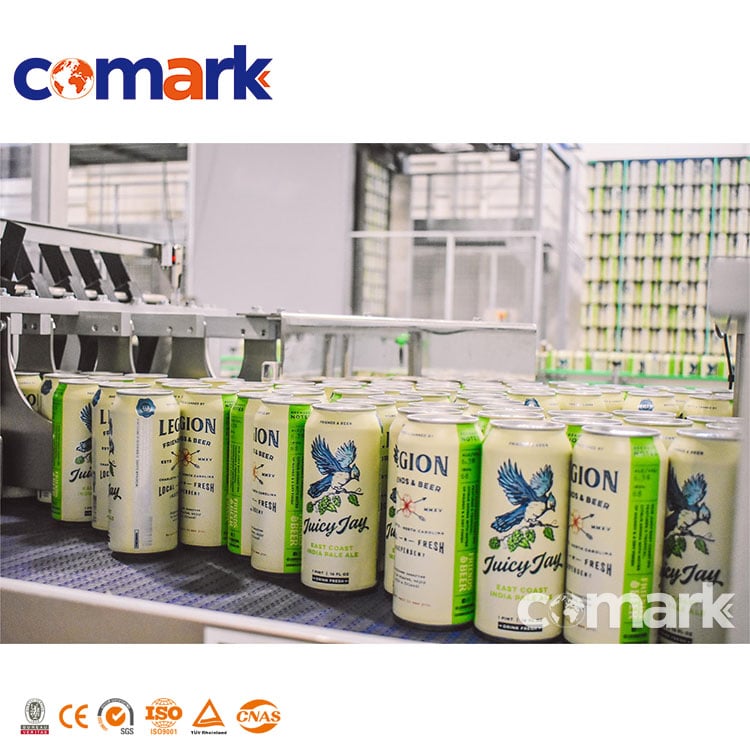
When considering the procurement of a beverage can production line for contract filling, it's essential to understand what to verify before placing an order. This article focuses on the critical aspects that B2B buyers, including purchasing managers and engineers, should evaluate to ensure they make informed decisions. Key concerns often revolve around specifications, cost factors, common operational issues, installation requirements, and finding reliable suppliers. By addressing these areas, this guide will help streamline the purchasing process and mitigate potential risks.
What to Verify in Beverage Can Production Line Specifications
When evaluating beverage canning equipment specifications, there are several key elements to consider. First, assess the production capacity, which indicates the number of cans that can be produced per hour. This figure should align with your expected demand to avoid bottlenecks in your supply chain.
Next, consider the materials used in the construction of the machinery. The materials should be durable and suitable for the beverage types you intend to package, ensuring that they can withstand the operational stresses of high-speed production. Additionally, check for certifications related to food safety and industry standards, as compliance is crucial in the beverage sector.
Another vital specification is the flexibility of the production line. Ensure that the equipment can handle different can sizes and shapes, as this will enhance your ability to cater to various customer needs. Finally, review the technical parameters such as the precision of filling volumes and sealing methods, as these will directly impact product quality and shelf life.
Cost Factors to Consider When Ordering Beverage Can Equipment
Cost is a pivotal factor when ordering beverage can production lines. Understanding the total cost of ownership is crucial, which includes not just the purchase price but also installation, maintenance, and operational costs. When evaluating costs, consider the following:
Initial Purchase Price: Obtain detailed quotations from multiple suppliers and compare them, ensuring all specifications are consistent.
Operational Costs: Analyze the energy consumption of the production line. Machinery that is energy-efficient may have a higher upfront cost but can lead to significant savings in the long run.
Maintenance Costs: Assess the expected maintenance requirements. Equipment that is easier to maintain may reduce downtime and associated costs.
Customization Costs: If you require specific features or adaptations for your production line, factor in the costs associated with these customizations.
Lead Time: Understand how lead times can affect your overall costs. Delays in delivery could lead to lost sales opportunities.
By carefully analyzing these cost factors, you can ensure that your investment in a beverage can production line aligns with your financial goals.
Common Problems in Beverage Can Production Lines and Solutions
Aluminium can filling machine can encounter various challenges that may disrupt operations. Common issues include:
Capping and Sealing Failures: Inadequate sealing can lead to product spoilage. Implement regular maintenance checks and invest in machinery that allows for real-time monitoring of sealing integrity.
Clogged Nozzles: Clogging can occur due to product viscosity or particulates in the beverage. Regular cleaning schedules and the use of easily accessible components can mitigate this issue.
Misalignment of Cans: This can cause jams and production halts. Ensure that the machinery includes alignment features and conduct regular calibration checks.
Quality Control Issues: Insufficient quality control can lead to out-of-spec products reaching customers. Implement robust quality assurance protocols that include sample testing of finished products.
Addressing these common problems proactively can help maintain consistent production quality and efficiency.
Installation Guidance for Your Beverage Can Production Line
Proper installation of your beverage can production line is crucial for optimal performance. Here are key considerations for a successful installation:
Site Preparation: Ensure that the installation site is adequately prepared, including the necessary utilities such as water, electricity, and compressed air. The layout should allow for efficient workflow and easy access for maintenance.
Professional Installation: Engage experienced technicians for installation. Their expertise can prevent common pitfalls that may arise during setup.
Testing and Calibration: Once installed, conduct thorough testing and calibration of the machinery to confirm that it meets specified performance standards before starting full-scale production.
Training for Operators: Provide comprehensive training for machine operators. Understanding how to operate and troubleshoot the machinery can significantly reduce downtime and improve safety.
By paying attention to these aspects during installation, you can ensure a smoother transition to operational status and enhance overall efficiency.
Where to Find Reliable Suppliers for Beverage Can Machinery
Finding a trusted supplier for your beverage canning machine is essential for a successful procurement process. Start by researching manufacturers with a proven track record in the beverage machinery industry. Look for suppliers who:
Offer Comprehensive Support: A reliable supplier should provide pre-sale consultations, installation services, and post-sale support, including maintenance and spare parts availability.
Have Industry Experience: Consider suppliers who have extensive experience in the beverage industry. Their insights can be invaluable in ensuring you select the right machinery for your specific needs.
Possess Relevant Certifications: Ensure the supplier's products meet international quality standards and certifications that align with your operational requirements.
Provide References and Case Studies: Request references from current clients or case studies that demonstrate the supplier’s capabilities and reliability.
Engage in Transparent Pricing: Choose suppliers who are transparent about their pricing structures and willing to provide detailed quotations.
By carefully evaluating potential suppliers based on these criteria, you can establish a partnership that supports your production goals while minimizing risks associated with equipment procurement.
Table of Contents
- What to Verify in Beverage Can Production Line Specifications
- Cost Factors to Consider When Ordering Beverage Can Equipment
- Common Problems in Beverage Can Production Lines and Solutions
- Installation Guidance for Your Beverage Can Production Line
- Where to Find Reliable Suppliers for Beverage Can Machinery

