 EN
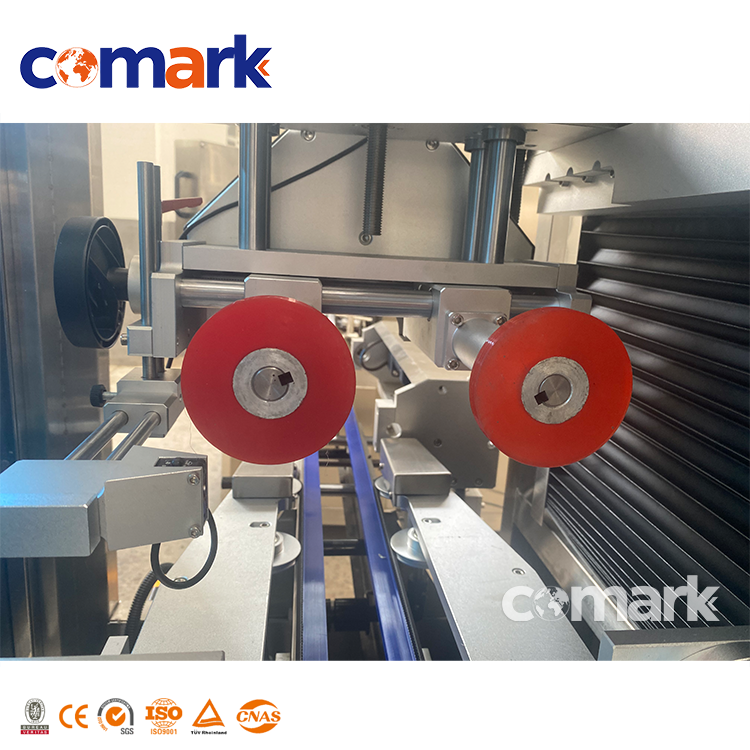
Integrating a labeling machine into an existing filling line without downtime is a critical concern for beverage manufacturers looking to enhance their operational efficiency. The right approach can significantly minimize disruptions while maintaining production flow. This article will provide insights into the process of integrating labeling machines, addressing key specifications, common challenges, and installation guidance to help purchasing managers, engineers, and product managers make informed decisions.
How to Integrate a Labeling Machine Without Halting Production
Integrating a labeling machine into an existing filling line requires meticulous planning and execution to avoid production downtime. The first step is to conduct a thorough analysis of the current filling line's layout and workflow. This involves identifying the best location for the labeling machine, ensuring it fits seamlessly into the existing process.
Collaboration with equipment suppliers is essential during this stage. Suppliers, such as Zhangjiagang Comark Machinery Co., LTD., can provide insights based on their extensive experience in beverage packaging machinery. Developing a phased integration plan, where the labeling machine is gradually introduced, allows for adjustments based on real-time feedback, thus minimizing the risk of significant production interruptions.
Additionally, consider employing temporary manual labeling during the initial integration phase. This approach can help keep the production line operational while the automated system is calibrated and tested.
Key Specifications for Labeling Machines in Filling Lines
When selecting a labeling machine for integration into a filling line, several key specifications should be considered:
Labeling Speed: This is critical to match the output of the filling line. A labeling machine should be capable of handling the same throughput to avoid bottlenecks.
Label Size and Type: Ensure that the machine can accommodate the labels used for your products. The labeling machine should support various shapes and sizes, which may vary depending on the beverage being packaged.
Compatibility with Existing Equipment: The machine's design must be compatible with the filling line dimensions and configurations. This includes ensuring that it can connect to existing conveyors and that the labeling process aligns with filling and packaging operations.
Control Systems: Advanced control systems that allow for quick adjustments and monitoring can enhance the integration process. Features such as touchscreen interfaces and automated settings can streamline operations.
Material Handling: The labeling machine should effectively handle different types of containers, whether glass, plastic, or metal, to accommodate a diverse product range.
Selecting a labeling machine that meets these specifications ensures that it integrates smoothly into the filling line and operates efficiently.
Choosing the Right Labeling Machine for Your Filling Line
Choosing the right automatic labeling machine involves assessing specific operational requirements and aligning them with available technology. Start by defining the following criteria:
Production Volume: Determine the average production volume to select a machine that can handle your throughput requirements without strain.
Label Application Method: Understand whether you need a pressure-sensitive, shrink sleeve, or wrap-around labeling technique. This decision impacts the type of machinery required.
Flexibility and Customization: If you anticipate frequent changes in product types or label designs, consider a modular labeling machine that can be easily adjusted or modified.
Supplier Support and Maintenance: Opt for suppliers who provide robust after-sales support and maintenance services. This support is crucial for minimizing downtime during operation.
Conducting site visits to other facilities using similar labeling systems can provide valuable insights into machine performance and reliability, aiding in the selection process.
Common Problems in Labeling Machine Integration and Solutions
Integrating a labeling machine can present several challenges, including misalignment of labels, inconsistent application, and compatibility issues with existing equipment. Here are some common problems and possible solutions:
Label Misalignment: This issue can arise from improper calibration or mechanical failure. Regular maintenance checks and adjustments during the integration phase can help mitigate this problem. Ensure that operators are trained in the use of alignment tools provided with the equipment.
Downtime Due to Malfunctions: To avoid unexpected downtimes, implement a preventive maintenance schedule that includes regular inspections of the labeling machine's components. Collaborate with the supplier to establish a support plan for troubleshooting and repairs.
Integration with Existing Software: If the filling line uses specific software for operation, ensure that the labeling machine's control systems are compatible. This may involve software upgrades or the installation of new interfaces.
Material Handling Issues: Inconsistent container handling can cause labeling errors. Implementing a comprehensive training program for operators on handling procedures can reduce these incidents.
By anticipating these challenges and preparing solutions in advance, manufacturers can ensure a smoother integration process.
Installation Guidance for Seamless Labeling Machine Integration
Installing a labeling machine requires careful planning to ensure seamless integration into the existing filling line. Here are practical steps to follow:
Site Assessment: Begin with a detailed assessment of the installation site. Measure available space, utility connections, and access points for maintenance.
Follow Manufacturer Guidelines: Adhere to the installation guidelines provided by the bottle labeling machine manufacturer. These documents typically include specific requirements for electrical connections, mechanical setups, and safety protocols.
Trial Runs: Before full-scale production, conduct trial runs to evaluate the machine's performance within the existing workflow. This testing phase allows for adjustments to be made based on actual production conditions.
Operator Training: Ensure that all operators are trained on the new equipment before it goes live. Familiarity with the machine’s operation and troubleshooting procedures reduces the likelihood of operational errors.
Feedback Loop: Establish a feedback loop with operators to gather insights during the initial integration phase. This feedback can help in making necessary adjustments to optimize performance.
By following these guidelines, companies can facilitate a successful integration of labeling machines into their filling lines, enhancing productivity without compromising quality.
Table of Contents
- How to Integrate a Labeling Machine Without Halting Production
- Key Specifications for Labeling Machines in Filling Lines
- Choosing the Right Labeling Machine for Your Filling Line
- Common Problems in Labeling Machine Integration and Solutions
- Installation Guidance for Seamless Labeling Machine Integration

