 EN
EN

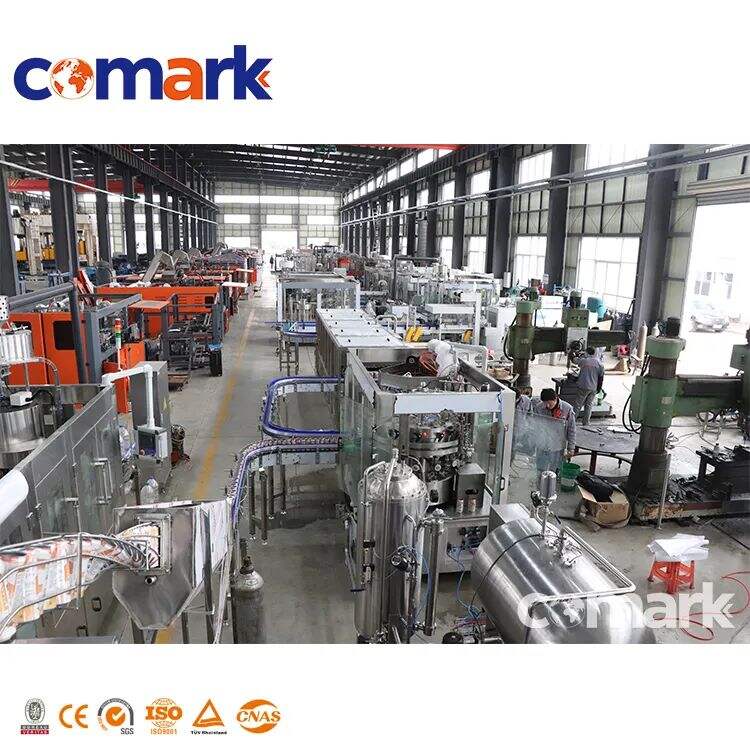
The selection of glass filling machine is not glamorous, and it is very essential when dealing with carbonated drinks and the still drinks. The improper arrangement may lead to flat soda, spills of foam or cracked bottles. Kombucha and other carbonated drinks need to be handled differently from still drinks like cold brew, therefore the machine should be able to handle the drink's behavior. This guide talks about the main distinctions, gives simple examples, and offers advice on how to avoid problems with bottling.
Core difference: Pressure control is the key to carbonated beverage filling
Soft drinks such as soda, beer and sparkling water require adequate pressure. The malfunctioning machine results in foam, half-filled bottles or even a broken glass. Isobaric fillers also fill bottles then stabilize the carbonation, however other beverages such as juice or tea are good with gravity or vacuum fillers. An Oregon kombucha brewer experimented with gravity filling, and received flat and exploding bottles, but isobaric solved the issue. The lesson learned: pressure control is not to be cut corners when it comes to it. Should you work with both still and sparkling, apply a pressure filler with two functions or two different machines.
Hygiene and oxidation protection: the top priority in static beverage filling
In bottling nonalcoholic beverages such as juice, tea or flavored water, the most critical issues are hygiene and oxygen. In the absence of carbonation even slight contamination or exposure to air will destroy flavor, alter color or shorten shelf life. Fillers should be made of stainless-steel smooth with CIP system that can be easy to clean. Oxidation is another danger, especially for cold brew or fresh juice. Flushing the cold brew with nitrogen right after filling it helps get rid of the oxygen. In southeast Asia, a cold brew company increased the shelf life twice by replacing the filler with an inert gas-protective filler. Splashing and oxygen mix is also minimized by the drip-free heads and the gentle flow. To put it in short, still drinks require fillers that maintain things clean, airtight and precise.
Filling accuracy and speed: adapt to the needs of different product characteristics
When you select a glass filling machine, you determine the speed and accuracy to your beverage. Slower and controlled filling of the carbonated products should be used to avoid foaming and loss, and machines with flow control and variability sensors are used. Juice or tea is a still beverage that can be filled more quickly, nevertheless, precision remains crucial. One craft soda company reduced the loss of its products by 15 percent when it replaced a filler with a sensor, and one Florida juice bottler turned to high-speed vacuum fillers to fill large orders without waste. The key point is that fizzy drinks should be poured more carefully and gently. However, drinks can still fill up quickly; they just need to stay accurate.

