 EN
EN

Water is a vital resource in preparation of drinks yet it is one of the most wasted resources. As the prices and water shortages increase, a number of manufacturers are trying to find methods to save and remain efficient. Water-saving production lines not only help the environment, but they also lower expenses and improve the company's image. This post contains the practical steps that can be taken to be smarter with water use by factories using real life examples and tips to start using less water on a small budget without involving any complex technology.
Apply advanced water-saving technologies: Focus on upgrading core equipment
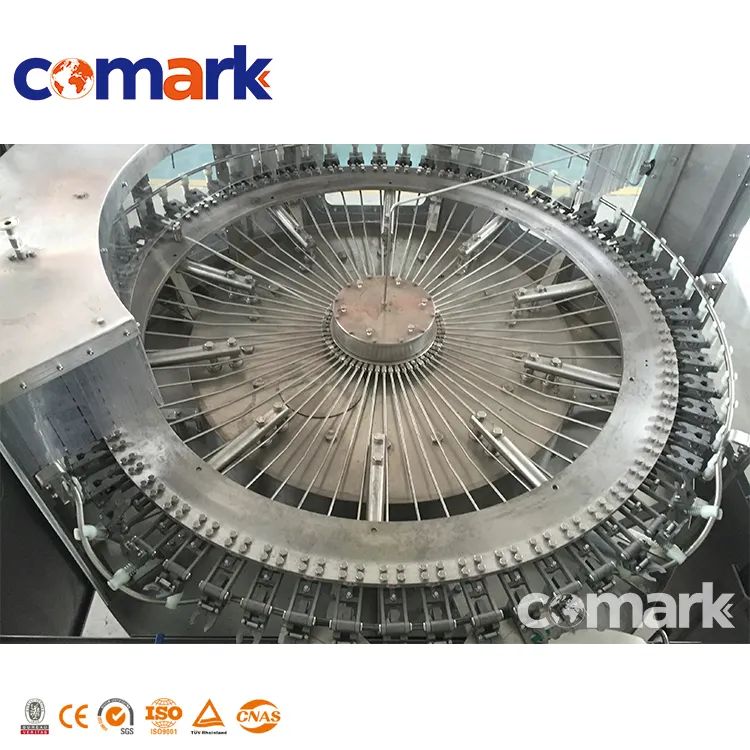
The replacement of outdated equipment in the process of producing drinks saves significant portions of water because older models waste more water than required, and the new models will save water without impacting the production. Bottles, pipes and tank cleaning systems have now been upgraded with fine spray nozzles or recycle rinse water thus saving hundreds of liters a day. The current filling machines are quicker, produce fewer spills, and track the consumption to identify leaks or inefficiency. A medium-size juice factory that replaced washers and fillers saved 30 percent of water and time and money were saved by cutting down maintenance. The firms need to determine the largest water consumers and invest in water-saving or recycling devices to ensure that production is cleaner, faster and more efficient.
Focusing on process optimization and recycling
Installing a water recycling system can help the beverage manufactures conserve water as rinse or cooling streams can be treated and used again as compared to tank or floor water, which are harder to clean. These systems usually have filters, sediment traps or UV that make sure it is safe and the recycled water is used in non contact processes like rinsing bottles or cooling devices. A brewery addressing the bottle-rinsing water recycling had reduced fresh water consumption by 40% and decreased the treatment expenses. Recycling is efficient and environmentally friendly because of mapping flows, selecting the appropriate system and quality monitoring.
Implementing intelligent monitoring and optimization strategies: Focusing on data-driven management
Smart monitoring devices help beverages factories to utilize water more efficiently because they would be able to know the water situation in real-time rather than make guesses. Flow, pressure, and quality are monitored by sensors, and the software warns the personnel about leaks or odd usage and saves water and prevents more serious issues. There are even systems which automatically regulate equipment such as cutting down the flow of the bottle washer without interfering with the cleaning. A soft drink factory installed monitoring equipment in all their production lines, they discovered latent leaks and ineffective cycles, and within several months, reduced their water usage by a quarter. A gradual enhancement of water management in high use areas and starting with simple monitoring can make it smarter, efficient and cost-effective.

