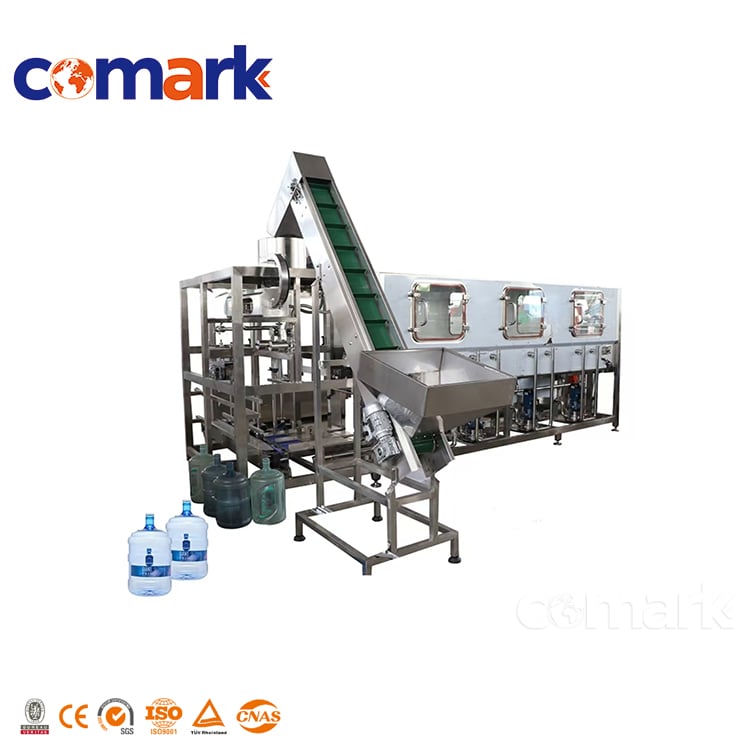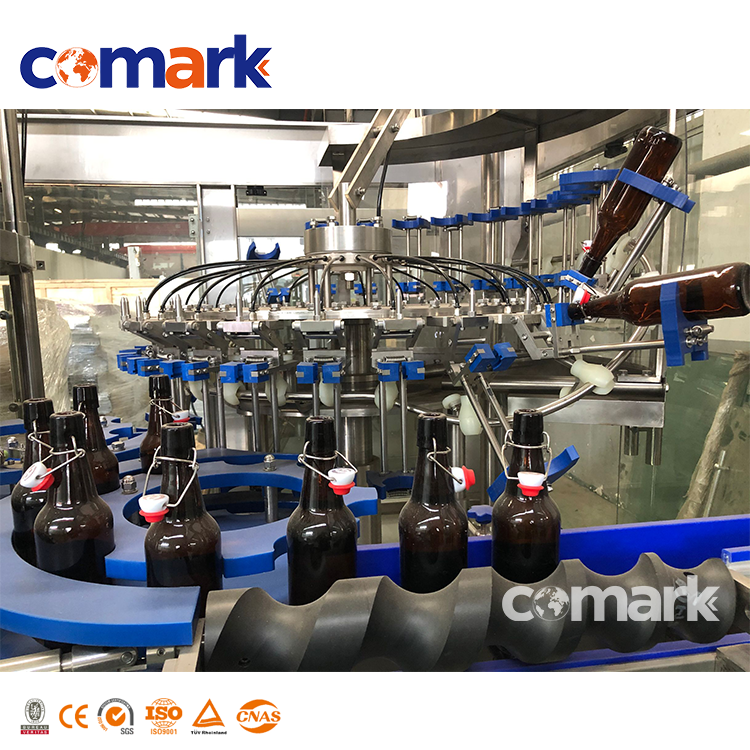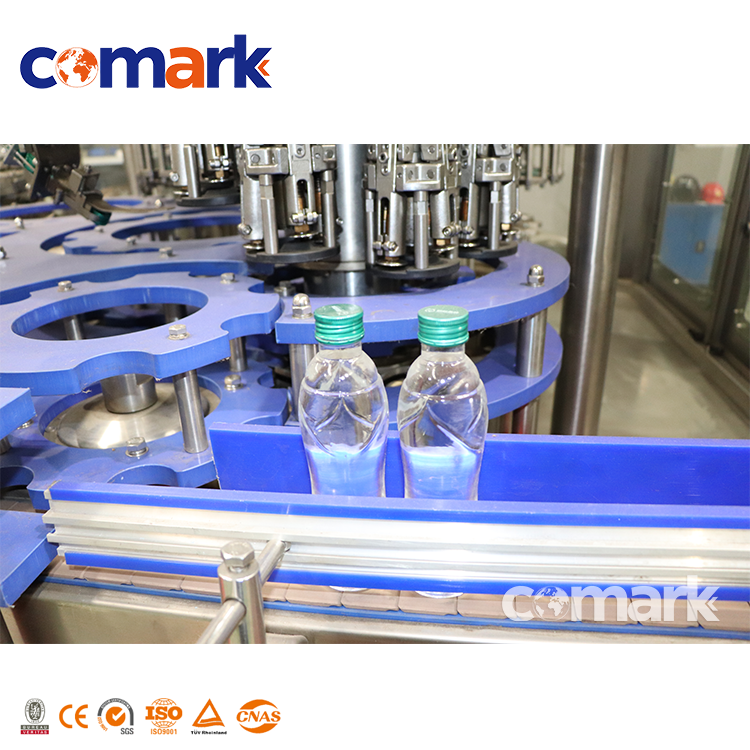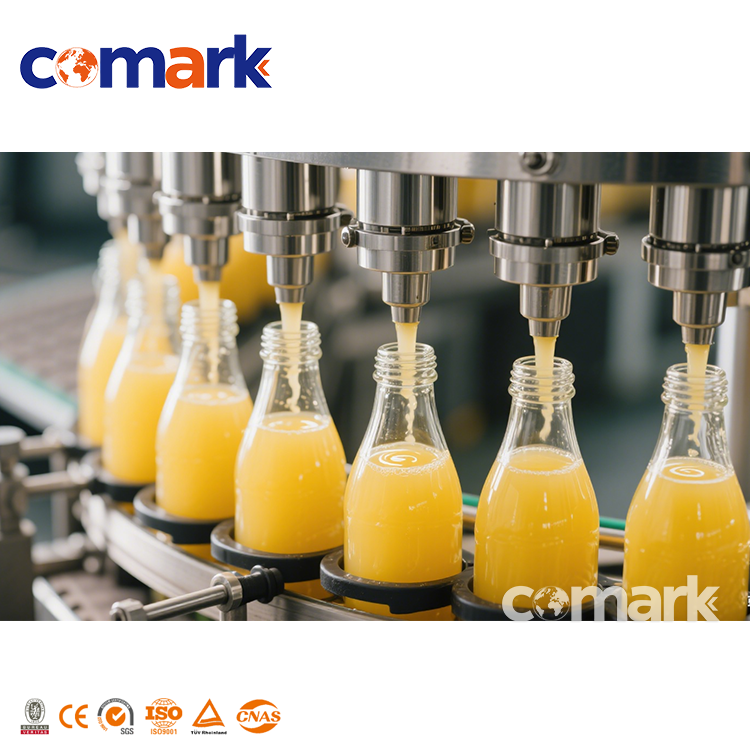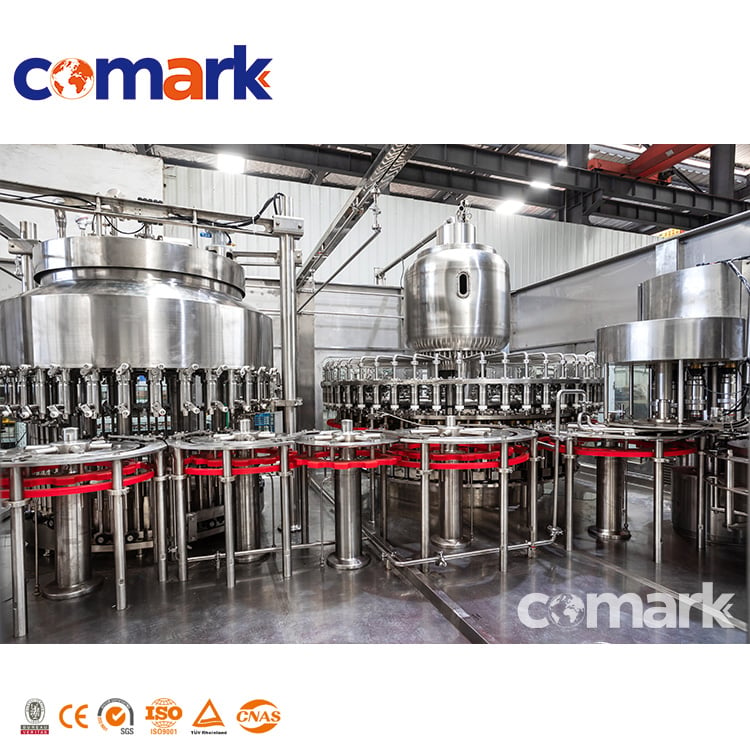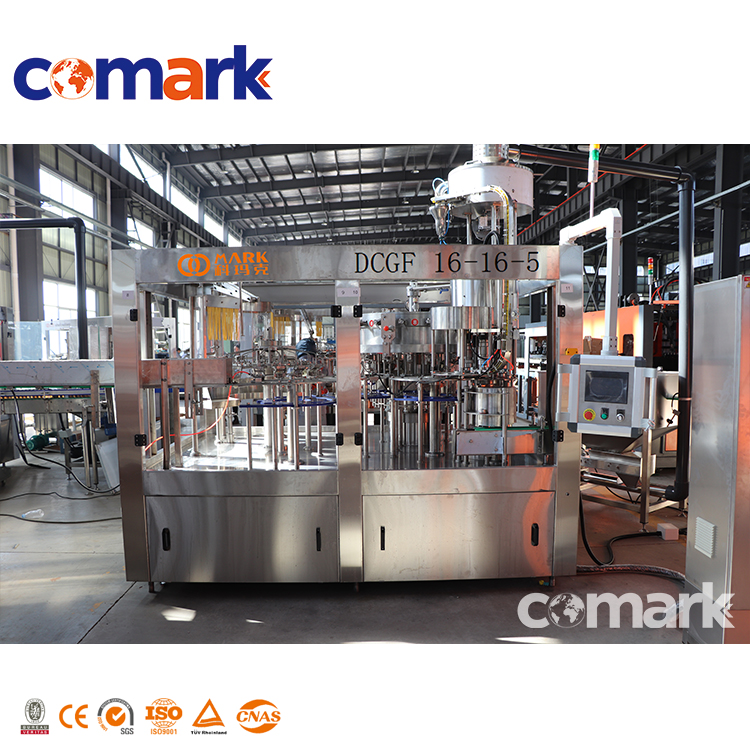
Their main function is to be the machines that allow the canteen of bottles with fruit juices. They help factories get juice into bottles fast and without risk of contamination. There are typically many parts working in concert on the line, from a machine that cleans the bottles to one that fills them with juice to another that closes them and, finally, labels one. With all these bits working together properly, the factory can churn out lots of bottles of juice each day without losing time or juice along the way. These machines are made by COMARK, with an emphasis on quality and speed. A strong bottling lines juice ensures that customers receive fresh bottled juice more quickly, while the factory benefits from avoiding common bottle spills or breakage as well as long-term profits for your business.
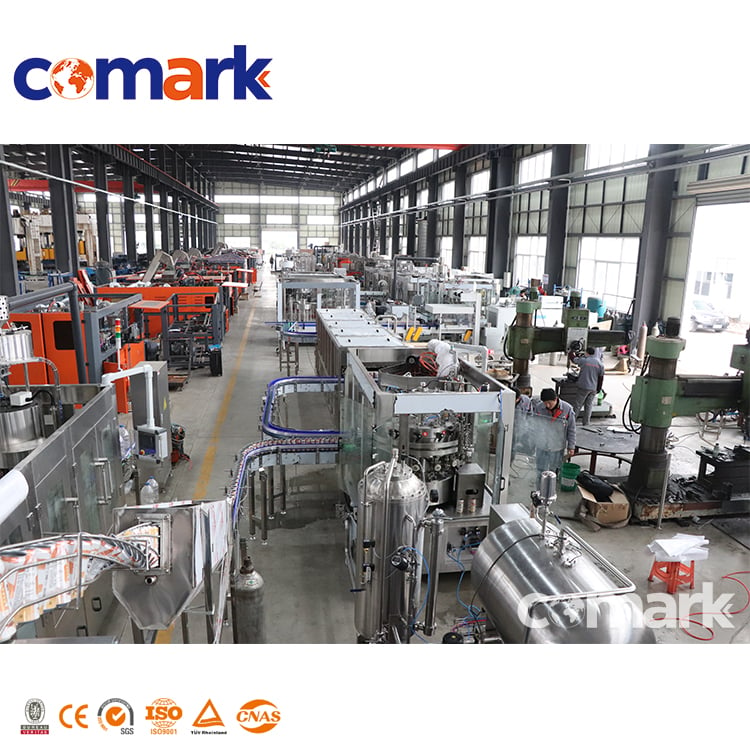
It can be really hard to find the best place to buy a juices bottling line and if you need quality, but also need a price that is cheap; you may think that the two are mutually exclusive. COMARK has an option for wholesale buyers on the hunt for reasonably priced equipment that gets the job done. One way to find good prices is by purchasing directly from the manufacturer. This eliminates middlemen who tack on excess costs. COMARK sells juice filling line machines it makes in its own factory, which helps to compete on price. Another tip: Look for machines that are constructed super sturdy, but not overly fancy and loaded with extra parts you don't need. The less something has going on, the less there is to break down and maintain and that can save money in the long run.
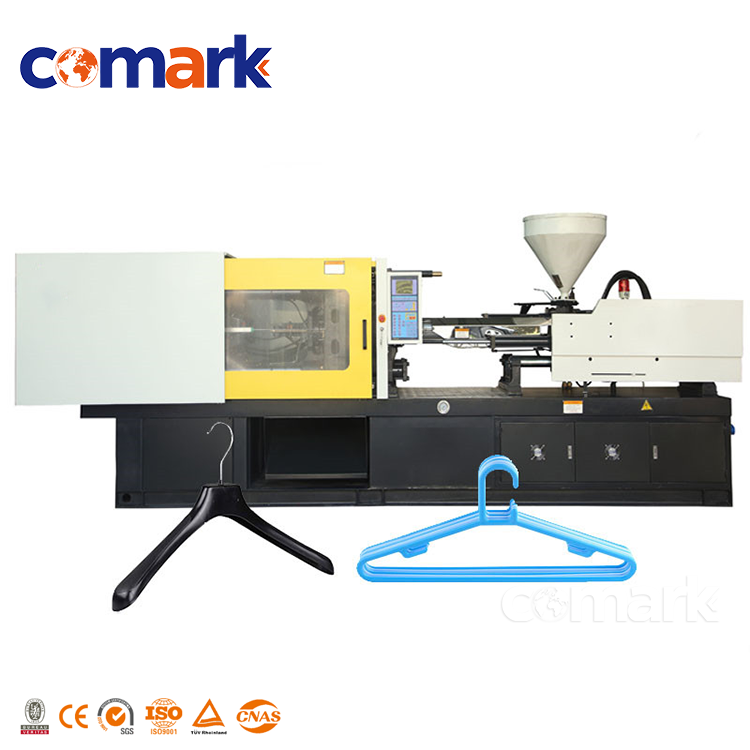
Another key way these bottling lines are helping is by accelerating how fast the bottles can be filled and packed. Before machines such as COMARK’s bottling lines, human beings filled bottles one by one. This was time-consuming process and could occasionally lead to mistakes, in which he would spill juice or not properly close his bottles. Now the juice packaging line machines can fill hundreds, or even thousands, of bottles per hour. That means more juice can be made and shipped to stores more quickly. The faster speed also saves factories money by cutting the number of workers who otherwise fill and pack bottles.
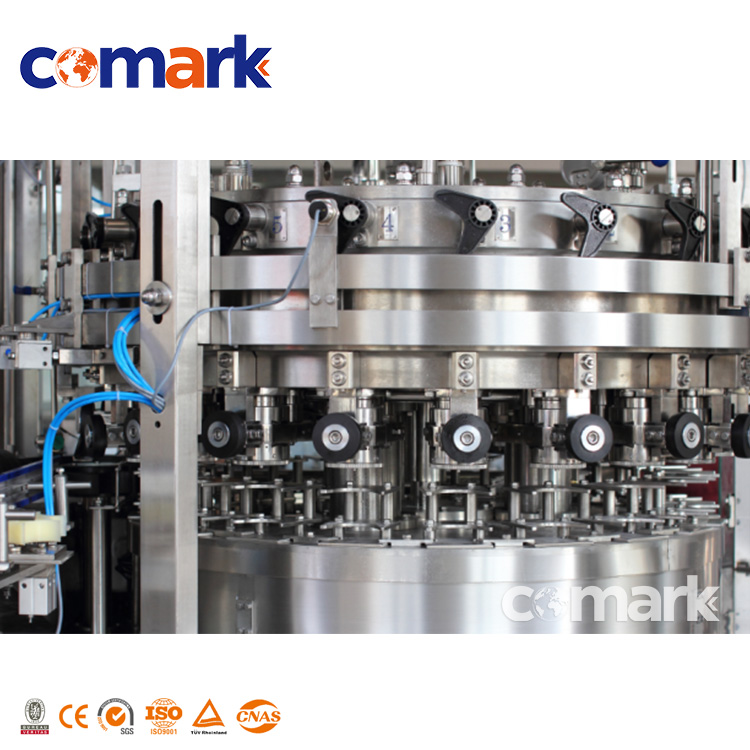
First, the company must determine how many bottles they want to fill per hour or day. Different bottling lines run at different speeds. Some are able to fill only a few hundred bottles hourly; others can fill thousands. COMARK’s machines have so many features that companies merely pick which one suits them best. If a company purchases a machine that is too small, it will stifle production. If a machine is oversized, you could be spending more money than necessary. So, size is something that’s worth getting exactly right.
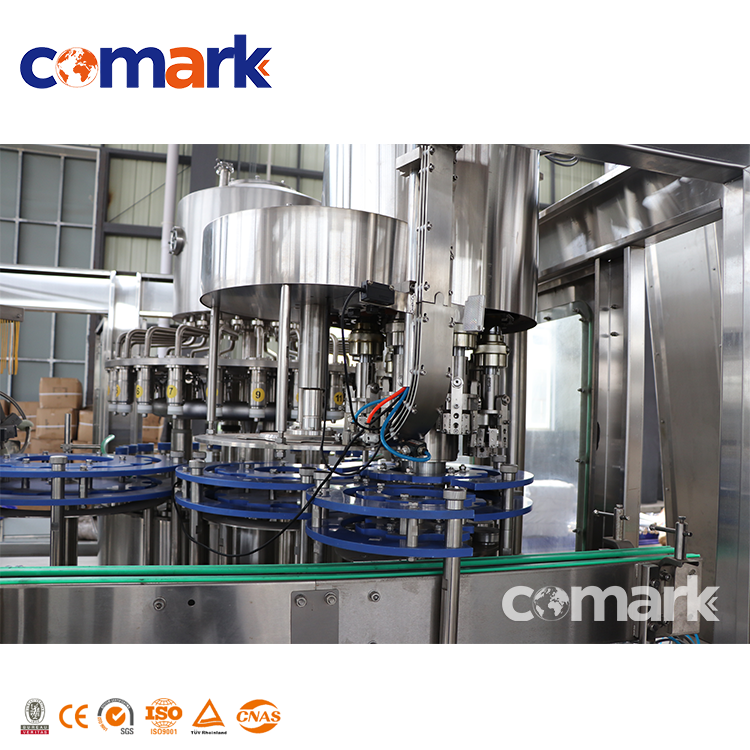
One way to optimize ROI is by ensuring that the juice gets to the bottle as quickly and with minimized waste. COMARK’s bottling lines are extremely high speed and precise. That translates into fewer bottles being discarded because they are not filled correctly or have broken caps. Bottles and juice are saved and money is made. Plus, bottling faster allows wholesale buyers to get more juice ready to sell in a shorter amount of time. This allows them to meet demand during a rush, and keep customers in good spirits.
We consistently drive technological advancement through patented designs and upstream-downstream equipment innovation, giving us a distinctive competitive edge in the beverage packaging machinery market.
Through strategic partnerships with leading institutions like Shanghai Jiao Tong University, we continuously enhance our equipment’s performance, stability, and design by integrating advanced international technology with local engineering expertise.
With our machinery exported to over 30 countries and regions, we have established a reliable international service and support network, ensuring our clients worldwide receive timely technical assistance and after-sales service.
As a top-tier manufacturer in China, we specialize in the integrated R&D, production, and global supply of advanced beverage packaging machinery, serving industries such as drinks, beer, dairy, pharmaceuticals, and cosmetics.


 EN
EN