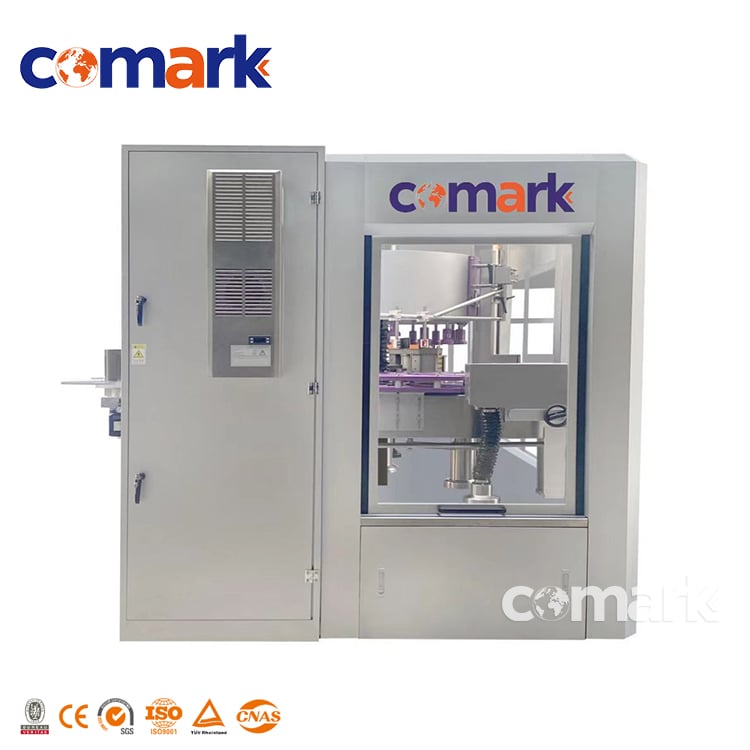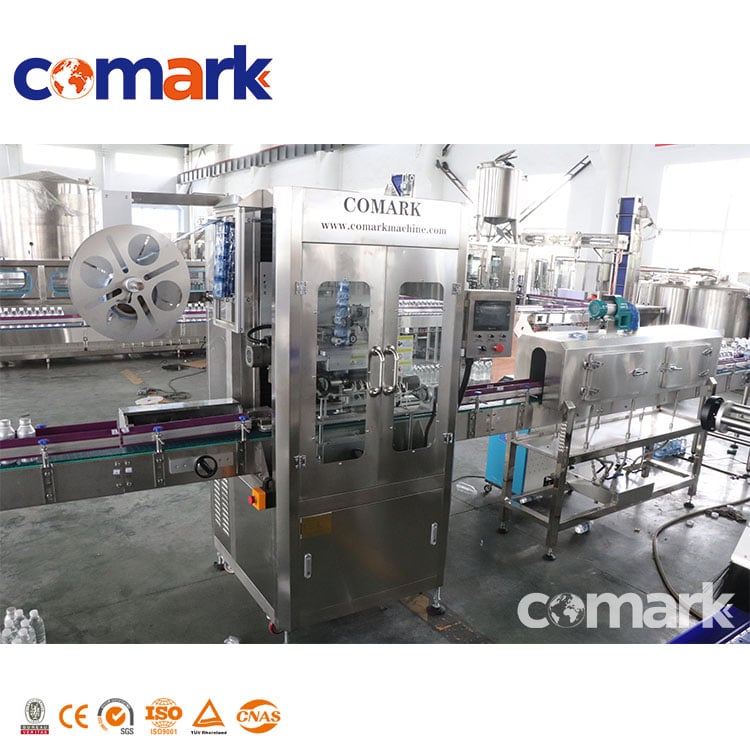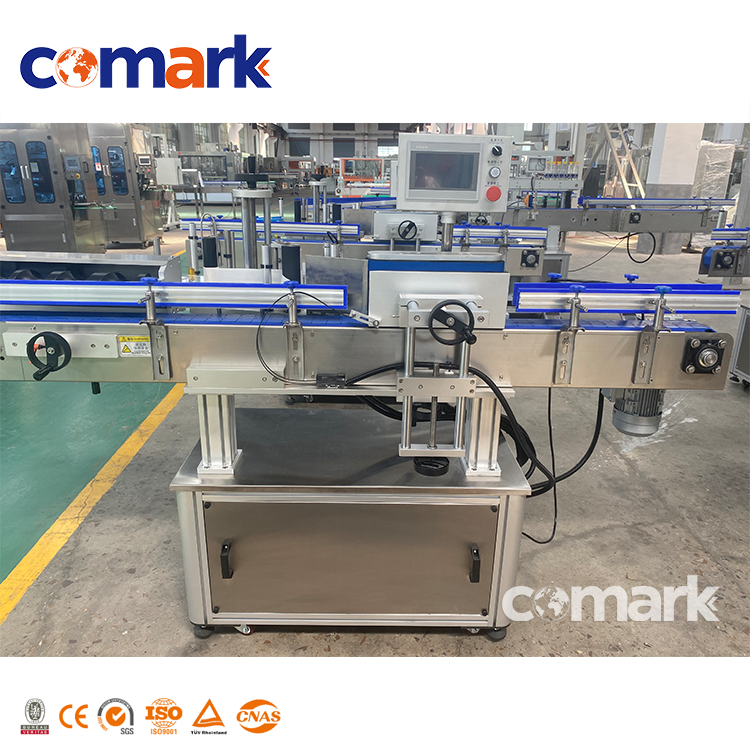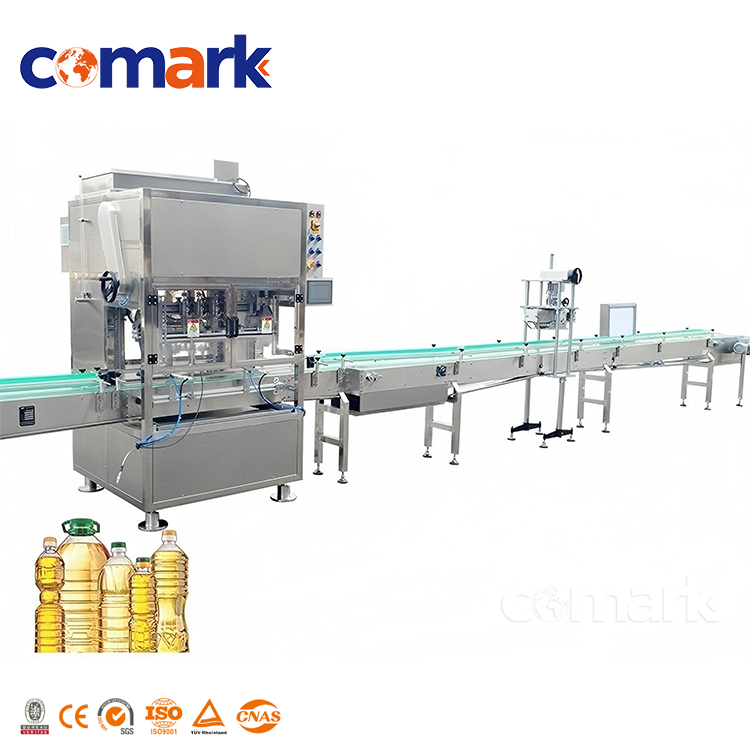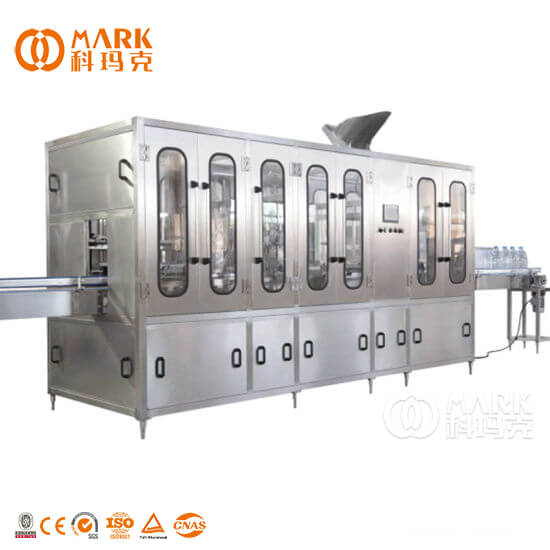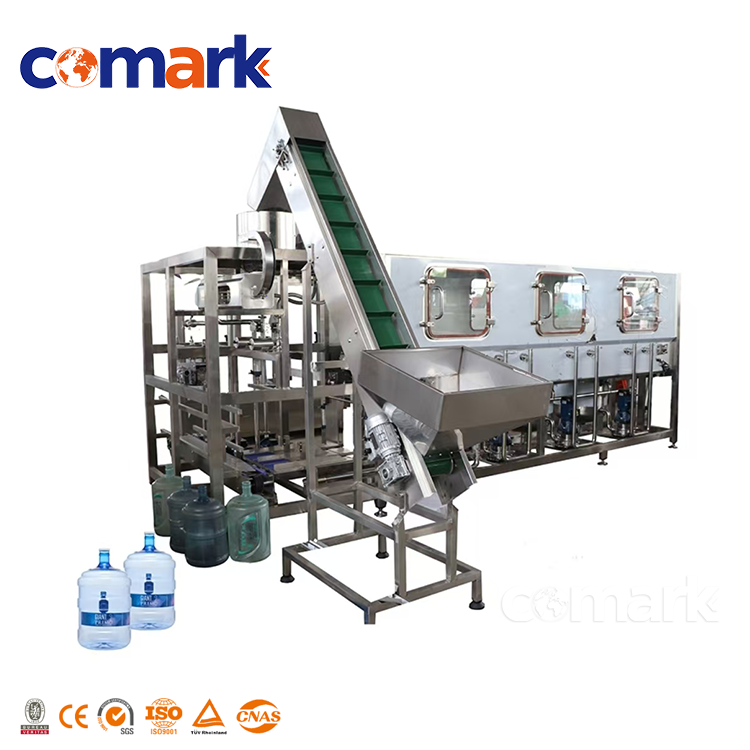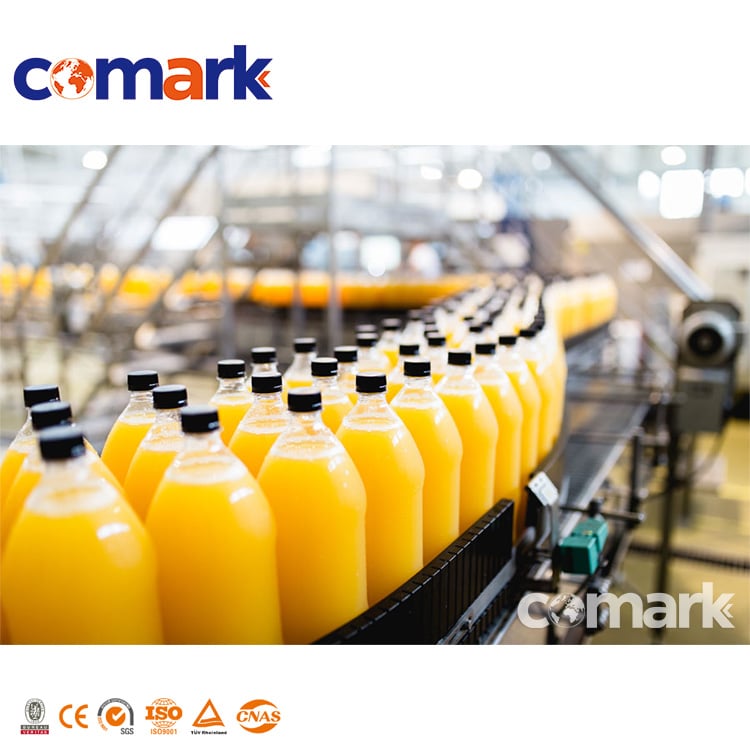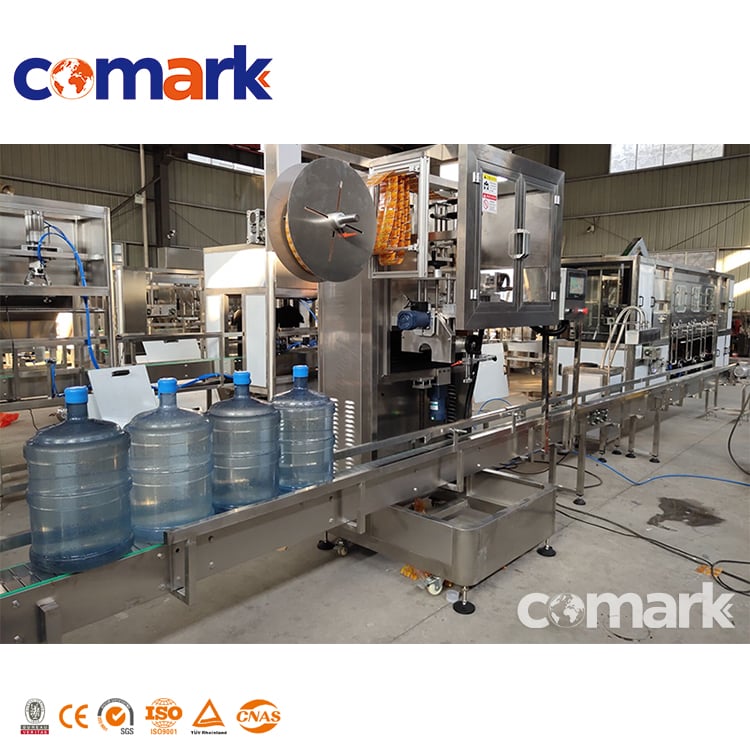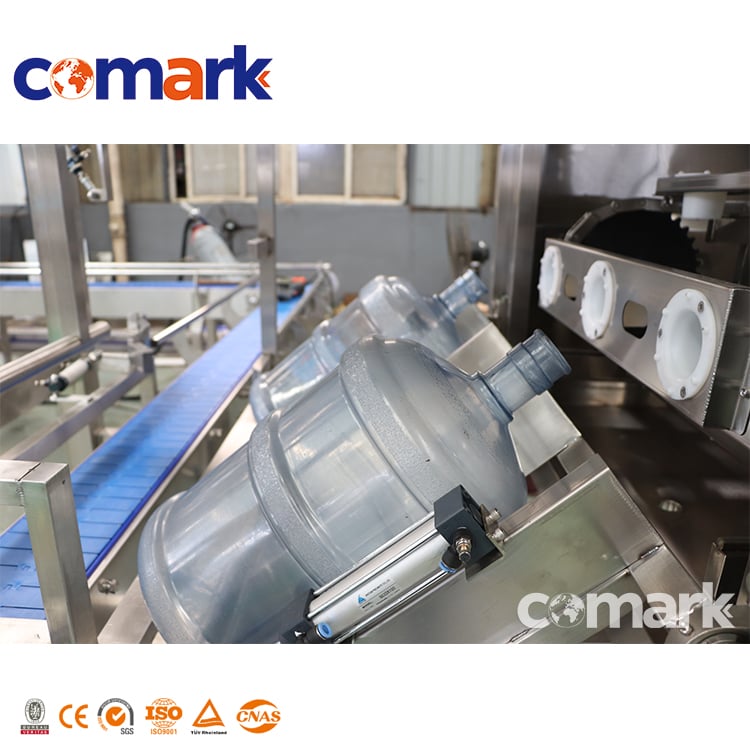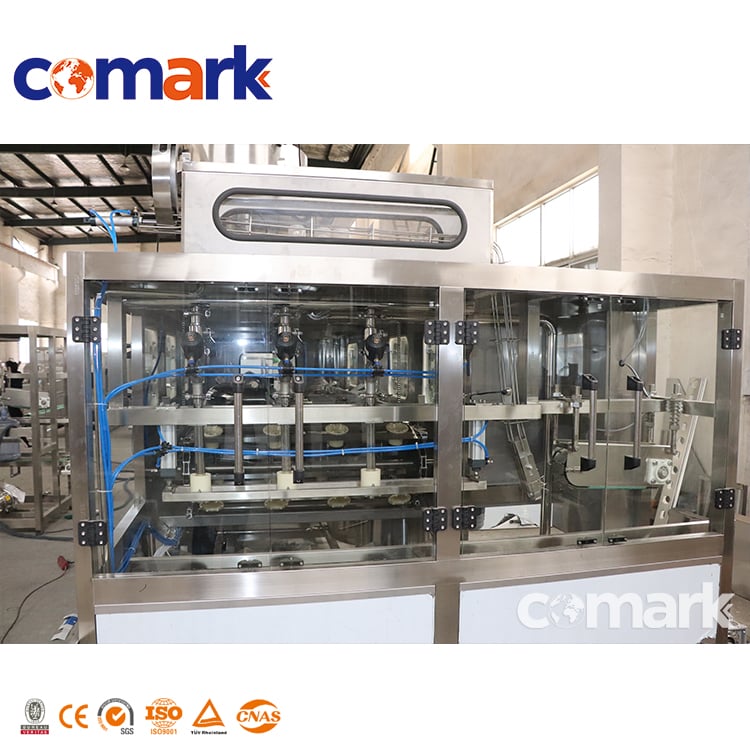
A bottling plant machine is a special type of equipment used to fill bottles with liquids like water, soda, or juice. These machines help factories produce drinks quickly and efficiently. At COMARK water bottling plant for sale, we know how important these machines are for businesses that want to deliver their products to customers. Using the right bottling plant machine can save time and money. This article will talk about what to look for when buying these COMARK glass bottling machine and the new technologies that are changing the bottling industry.
When you want to buy a bottling plant machine, there are several things to think about. First, consider the size of the machine. It should fit well in your factory and match your production needs. If you are just starting, a smaller machine might be enough. But if you are a big company, you may need a large one that can fill many bottles at once. Another important factor is the speed of the machine. Some machines can fill bottles much faster than others, which can help you produce more drinks in less time. Also, think about the types of bottles you will use. Some machines can fill different shapes and sizes of bottles. Make sure the machine you choose can work with the bottles you plan to use. It’s also essential to look for machines that are easy to clean and maintain. A machine that is hard to clean can lead to problems with hygiene and slow down your production. Finally, consider the brand and the support they offer. At COMARK can bottling machine, we provide great customer service and support to help you with your bottling machine needs. Choosing a reliable brand can make a big difference in your experience.
Bottling plant technology is always changing. New innovations are making machines faster and smarter. One exciting trend is the use of automation. Machines can now fill bottles without much human help. This means they can work faster and reduce mistakes. Some machines use sensors to check if the bottles are filled correctly. This helps to make sure every bottle is just right before it leaves the factory. Another innovation is the use of smart technology. Some bottling machines can connect to the internet. This connection allows factory managers to monitor the machines from anywhere. They can check how well the machines are working and get alerts if there are any problems. This helps factories run smoothly and avoid downtime. Additionally, many new machines are designed to use less energy. They are made to be efficient, which helps factories save money on power costs. At COMARK, we keep an eye on these trends to ensure our machines are up-to-date. These innovations not only make bottling faster but also improve product quality and reduce waste.
Bottling plant machines are important for filling bottles with drinks like water, juice, or soda. Even though these machines make things easier, they can sometimes have problems. One common issue is that machines can get jammed. This happens when bottles get stuck or when the liquid doesn’t flow properly. To fix this, workers need to check the machine regularly. They should clean it to make sure there is no dirt blocking the parts. Another issue is that the machines might fill bottles with the wrong amount of liquid. This can happen if the sensors are not working well. To solve this, it's important to test the machines often. Workers should watch the bottles being filled and adjust the settings if they notice anything wrong. Sometimes, the machines can also have trouble with sealing the bottles. If the seals are not tight, the drinks can spill. To avoid this, workers should check the sealing parts and make sure they are in good condition. Regular maintenance is key to keeping machines running well. Workers should also be trained to understand how the machines work. This way, they can quickly spot any problems and fix them before they get worse. By taking care of the machines and training employees, bottling plants can run smoothly and keep producing great drinks.
Investing in automated bottling plant machines, like those from COMARK, can bring many benefits to businesses that fill bottles. First, these machines save time. When machines do the work, they can fill and seal bottles much faster than people can. This helps companies produce more drinks in a shorter time, which is great for meeting customer demands. Second, automated machines reduce mistakes. When people fill bottles by hand, they might accidentally spill or fill too much. Automated machines are designed to be accurate, so they can fill each bottle with the right amount. This means less waste and more satisfied customers. Another benefit is that automated machines can help save money over time. Although buying the machines may cost a lot at first, they can help reduce labor costs. With fewer people needed to fill bottles, companies can save money on salaries. Additionally, automated machines often require less maintenance than older machines, which means companies can spend less on repairs. Finally, using automated bottling machines can improve safety. Workers do not have to handle heavy bottles as much, which can help prevent injuries. With all these advantages, investing in automated bottling plant equipment from COMARK can help businesses grow and succeed.
Through strategic partnerships with leading institutions like Shanghai Jiao Tong University, we continuously enhance our equipment’s performance, stability, and design by integrating advanced international technology with local engineering expertise.
We consistently drive technological advancement through patented designs and upstream-downstream equipment innovation, giving us a distinctive competitive edge in the beverage packaging machinery market.
With our machinery exported to over 30 countries and regions, we have established a reliable international service and support network, ensuring our clients worldwide receive timely technical assistance and after-sales service.
As a top-tier manufacturer in China, we specialize in the integrated R&D, production, and global supply of advanced beverage packaging machinery, serving industries such as drinks, beer, dairy, pharmaceuticals, and cosmetics.


 EN
EN