 EN
EN

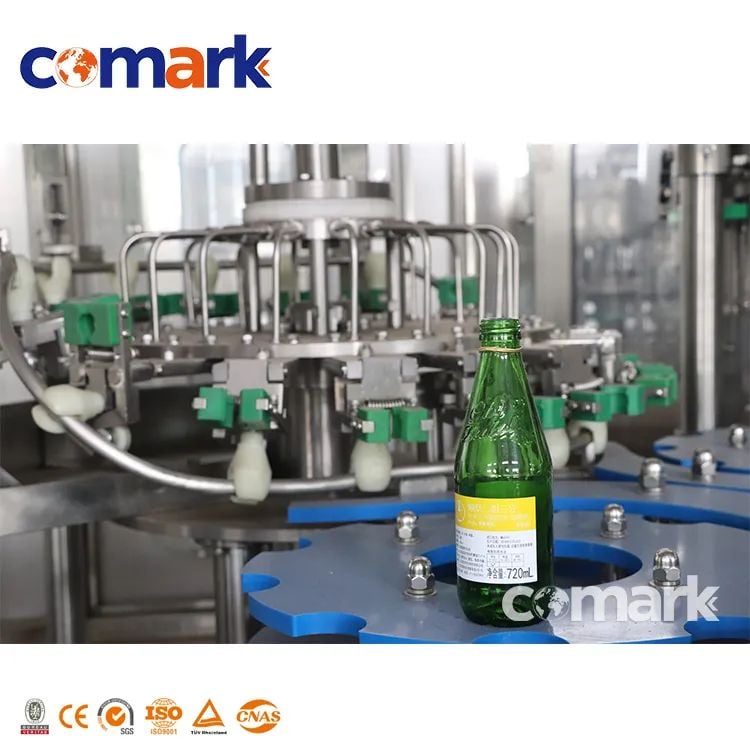
Glass bottles remain a popular choice for beverages like wine, beer, and juice. People prefer them because they’re recyclable, they preserve flavor, and they give products a premium feel that plastic often lacks. The real challenge, however, is filling them. The type of machine you use can greatly affect freshness, taste, and even how quickly bottles leave your production line. Whether you’re running a small vineyard, pressing fresh juice, or scaling up a brewery, the right filling system can save you time and frustration. With proper guidance, it’s much easier to choose equipment that truly fits your business needs.
Precision Juice Fillers: Preserving Freshness & Flavor
Juice is sensitive and inappropriate filler may negatively affect the flavor, colour or shelf life. On glass bottles, it is possible to have a few primary choices:
Hot fill machines - Best with hot juices such as apple or orange. Heat kills bacteria and eliminates the use of preservatives although it can destroy cold-pressed blends or delicate blends.
Aseptic cold fill systems – Maintain fresh flavor and color by operating it a low temperature and ensuring cleanliness. Better with probiotic mixes or green juices, but pricier and more difficult to clean.
Semi-automatic piston fillers - Low priced and simple to operate on small batches.
Rotary filling machines- Fast and steady, best suited to large output.
Balance your juice with the filler. Making the correct decision keeps waste low, colors vibrant, and flavors fresh.
Beer Bottling Systems: Mastering Carbonation & Foam Control
Beer bottling involves more than pouring the stuff into a glass, it involves maintaining the carbonate and ensuring that the foam is contained. As beer has a tendency to release gases upon transfer, breweries depend upon counter-pressure fillers. These are machines that pressurize the empty bottle after which they fill the bottle with the same pressure of the fizz trapped to the beer. A rapid CO 2 purge is performed in advance to remove oxygen, which may give rise to stale or metallic tastes. Lastly, a thin blanket of foam is formed at the surface to expel all the remaining air and seal the cap to prolong the shelf life of the beer. Small-scale brewers usually can get by with manual or semi-automatic fillers, sometimes with inbuilt cappers. The bigger breweries, however, rely on bigger rotary machines with multiple heads to maintain production at high speed. Bottling, however, is a delicate affair, no matter what the size: even small changes in temperature or line pressure will cause the foam to become unbalanced. Getting those settings correct is the key to preventing flat beer and providing bottles of fresh quality.
Premium Wine Fillers: Ensuring Gentle Handling & Quality
The whole business of wine bottling is preserving flavor. A deep red or a crisp white, it all depends on how gently the wine is moved with minimum air touch or turbulence. Wine is not carbonated as beer, thus, there is no need in pressure-based systems; however, all the difference is in careful handling. Gravity fillers enable the wine to flow into bottles on its own and provide a smooth and consistent way that is simple to clean and ideal in small set ups. Another layer of protection comes with the use of vacuum fillers that remove all air prior to filling which helps to minimize oxidation and control fill levels to a finer level. Other systems also add an inert gas layer to provide an additional shield against oxygen, and are particularly useful with premium wines or bottles that are to be aged. Depending on the scale of the production, the best filler varies. Small fillers (hobbyists and small wineries) tend to use simple gravity fillers, whereas mid-size enterprises would prefer more speed and consistency with semi-automatic systems. Rotary vacuum machines are frequently used in large wineries and are used to fill, cork, and label in a single process. Cleanliness and precision is what matters in success, no matter which system. Clean lines, food safe tubing and fill levels will have you sure that your wine is being bottled with the attention it deserves.

