 EN
EN

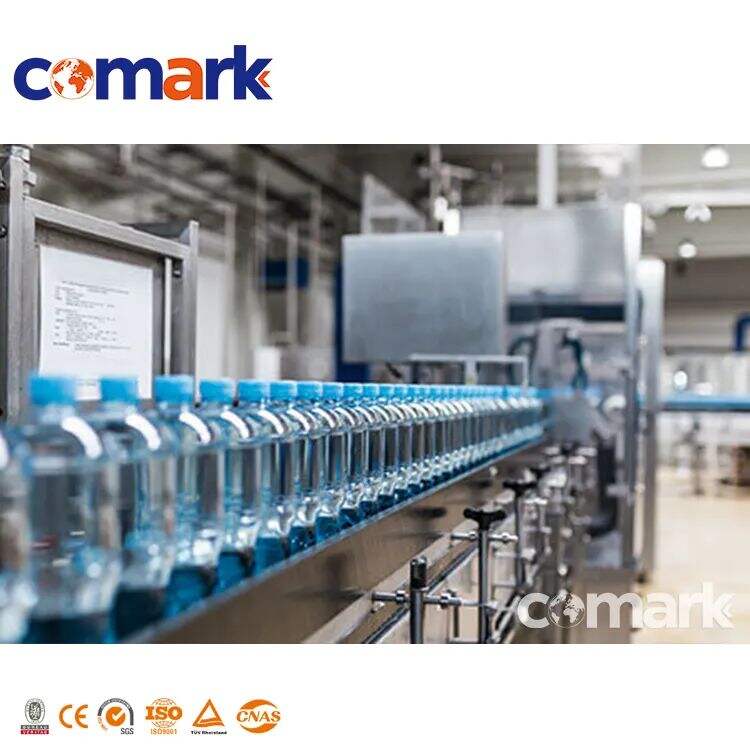
Availability of a clean and reliable water source and permits are the first factor that has to be considered when venturing in water-pumping business. The absence of these will doom the operation. The water can be a well, natural spring or even a tap that does or does not undergo any filtering. City water is easily accessible but frequently needs further treatment to be safe and pleasant to drink, and country wells are less expensive and less harmful than they have to be checked to guarantee health and safety.
Securing Affordable Water Sources & Essential Permits
After picking your source, the second step is paperwork: source approval, business license, sanitary or health permit, and registration, with food or beverage regulatory authorities, where necessary. The city halls or health departments can often be of assistance with this and is cheaper than hiring a consultant immediately. Assure that the records of tests, plans of the facility as well as water treatment processes are organized. The solution is to be prepared when the inspectors come; it is time-saving, stress-free, and unforeseen expenses do not arise.
Budget-Friendly Bottling Equipment: Low cost& Efficient Options
The main consideration when starting a water pumping business with a limited budget is having equipment that is affordable, reliable, and easy to maintain. Many small companies start with manual or semi-automated machinery and upgrade only when their sales begin to grow. A filter system, rinser, filler, capper, and labeler will be required, and it is also advisable to use combo units or secondhand equipment to save money and space.For example, Anna made the first thousand bottles in a garage in Indonesia using only a hand capper and a cheaper filler that cost less than $3,000. Whatever setup you choose, cleanliness is vital. Usually, a food-safe disinfectant and a hot water rinse are enough to ensure that the process is clean. Business growth depends on a simple but effective system.
Lean Operations & Marketing: Minimizing Costs, Maximizing Local Reach
Running lean means cutting costs while keeping the operation running smoothly. In a clean and orderly setup, two or three people are sufficient for packing, capping, filling, and cleaning. To avoid costly shipping, many entrepreneurs start in a garage or spare room and buy bottles, lids, and labels from local suppliers. Instead of spending a lot on advertising, it is better to focus on building a presence in the community. This can be done by a clean and professional label, selling in local stores, giving away free samples at events, and posting a simple photo online. In Kenya, a businessman has made a loyal customer by working with schools and clinics, where he offers refills and home delivery using only a cart and a telephone. The lesson here is to start small, to keep things simple, and to let word-of-mouth drive business growth.

