
In beverage production, the selection of filling valves must be precisely matched to the characteristics of the medium. Water, fruit juice, and carbonated beverages differ in viscosity, corrosiveness, and pressure, requiring specialized valves with distinct technical focuses.
Water uses gravity filling, which utilizes liquid level differences to achieve stable filling and further ensures the stability of the filling process. The valve uses a 304 stainless steel body with an inner wall polishing precision Ra≤0.8μm, eliminating cleaning dead zones and meeting CIP (Clean-In-Place) cleaning requirements. EPDM seals ensure zero leakage, preventing microbial contamination and meeting the requirements for efficient and clean transport of low-viscosity fluids.
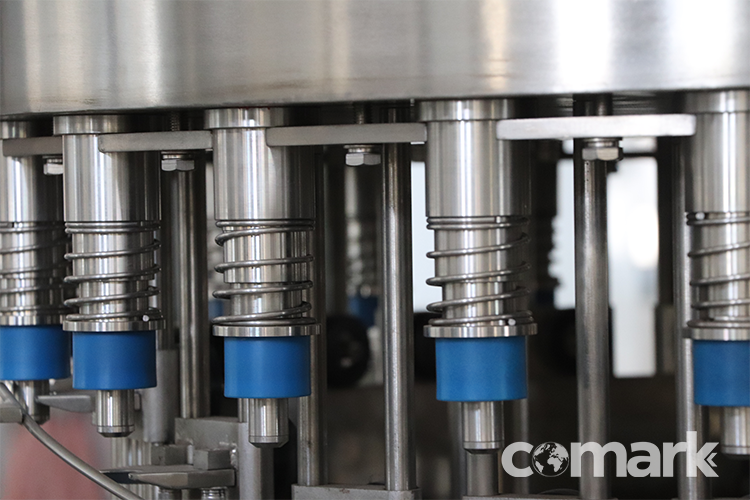
Juice uses a sanitary-grade hot-fill negative pressure valve, utilizing high temperatures to achieve pasteurization and extend shelf life. The valve uses a 316L ultra-low carbon stainless steel body with an inner wall polishing precision Ra≤0.4μm, eliminating dead zones in the flow channel and meeting CIP/SIP (Clean-In-Place) cleaning and sterilization requirements. The seals are made of FDA-certified high-temperature resistant EPDM rubber (withstanding temperatures up to 150℃), ensuring no chemical leaching. This valve features a dual-speed filling function, rapidly filling first and then slowly replenishing to reduce foam generation. Its non-contact filling design avoids secondary contamination, and paired with a weighing sensor, it achieves high-precision metering of ±1g, perfectly adapting to the process requirements of hot filling in PET bottles.
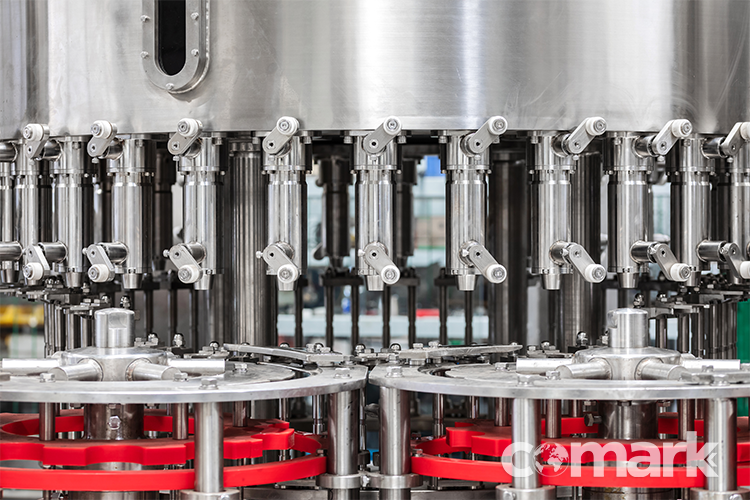
For carbonated beverage, an isobaric filling valve is used, matched with an isobaric filling method. Through a pressure balancing mechanism, the valve first pressurizes the bottle, then smoothly fills the liquid along the bottle wall. An internal return gas channel reduces CO₂ escape, and a pressure-resistant sealing structure makes it suitable for low-temperature, high-pressure conditions of 0-10℃, ensuring filling accuracy and product taste.
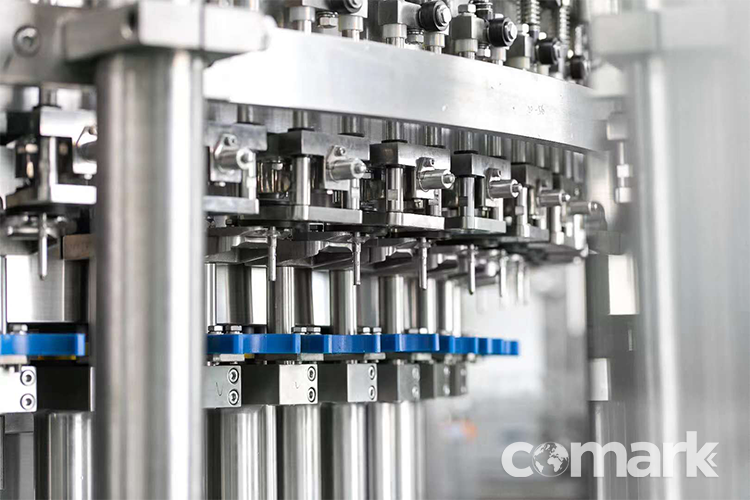
The core differences between the three valves lie in their hygienic design, anti-clogging capabilities, and pressure control, requiring targeted adaptation based on process requirements.


 EN
EN


