 EN

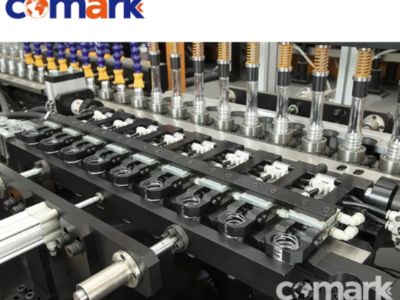
Sourcing a turnkey water production line that handles treatment to Palletizing in one scope is a critical decision for beverage manufacturers, distributors, and engineers. Such systems streamline the entire water production process, ensuring efficiency and quality from treatment to packaging. Buyers often have concerns about quality, compatibility, and the total cost of ownership. This article will provide you with insights on evaluating equipment quality, common problems, cost factors, installation guidance, and applications across various industries.
How to Evaluate the Quality of Water Production Line Equipment
When assessing water production machine, start by examining the materials used in construction. High-grade stainless steel is often preferred for its durability and resistance to corrosion, especially in food and beverage applications. Additionally, verify that the equipment meets international manufacturing standards and has relevant certifications, which ensure safety and reliability.
Next, consider the technology utilized in the production line. Advanced automation and control systems enhance operational efficiency and minimize human error. Look for features like real-time monitoring and diagnostic capabilities, which can significantly impact maintenance and operational costs over time.
Moreover, it's essential to evaluate the supplier's reputation and experience in manufacturing similar systems. A supplier with a proven track record, such as Zhangjiagang Comark Machinery Co., LTD., can provide valuable insights based on past projects and customer feedback. Engage with their technical team to understand the design and functionality of the equipment, as well as any customization options available.
Common Problems with Water Production Lines and Their Solutions
One of the common challenges faced with water production lines is the occurrence of leaks during the bottling process. This issue can stem from improper sealing or a mismatch between the machine components. Regular maintenance checks and proper calibration can help mitigate these problems. Additionally, implementing a robust quality control process during production can catch these issues before they escalate.
Another frequent problem is the build-up of contaminants in the filtration systems. Regular cleaning and replacement of filters are critical to maintaining water quality. Ensure that the system design allows for easy access to these components for routine maintenance.
Lastly, inefficiencies in the production line can arise from bottlenecks in the treatment process. To address this, assess the flow rate and capacity of each stage in the production line. Upgrading specific components to enhance throughput can lead to significant improvements in overall efficiency.
Cost Factors to Consider When Buying a Water Production Line
When sourcing a turnkey bottled water production line, several cost factors must be considered. The initial purchase price is just one aspect; buyers should also evaluate installation and commissioning costs, which can vary based on the complexity of the system and site conditions.
Operational costs are another critical consideration. This includes energy consumption, maintenance expenses, and the cost of consumables such as filters and cleaning agents. Systems that are energy-efficient and require minimal maintenance can lead to significant cost savings over time.
Additionally, consider the equipment's lifespan and warranty terms. Investing in a slightly more expensive system from a reputable manufacturer often pays off in the long run through lower operational costs and better reliability.
Installation Guidance for Turnkey Water Production Systems
Proper installation of a turnkey water production line is crucial for optimal performance. Begin by assessing the site to ensure it meets all necessary requirements, such as space, power supply, and water source access. Engaging with the supplier during the installation phase can facilitate a smoother process, as they can provide specialized knowledge and support.
Before installation, confirm that all components are compatible and meet the specified technical parameters. This includes checking dimensions, connection types, and material compatibility. Once the system is installed, conduct thorough testing to ensure each component functions correctly before starting full-scale production.
Training for operational staff is also essential. Ensure that they understand the equipment's functionality, maintenance procedures, and troubleshooting methods to minimize downtime and enhance productivity.
Applications of Turnkey Water Production Lines in Various Industries
Turnkey water production lines are versatile and find applications across numerous industries. In the beverage industry, they are employed for bottling purified water, flavored water, and even soft drinks, where maintaining stringent quality standards is critical.
In the pharmaceutical sector, water production systems are essential for producing water for injection (WFI) and other critical applications. The equipment must adhere to strict regulatory standards to ensure the highest level of purity and safety.
Additionally, the cosmetics industry relies on these systems for the production of water-based products, where consistency and quality are paramount. Turnkey systems streamline processes and ensure that the end products meet consumer expectations across all these sectors.
In summary, sourcing a turnkey pure water production machine that handles treatment to Palletizing encompasses various considerations, including equipment quality, cost factors, and specific application needs. By understanding these elements, purchasing managers and engineers can make informed decisions that align with their operational goals.
Table of Contents
- How to Evaluate the Quality of Water Production Line Equipment
- Common Problems with Water Production Lines and Their Solutions
- Cost Factors to Consider When Buying a Water Production Line
- Installation Guidance for Turnkey Water Production Systems
- Applications of Turnkey Water Production Lines in Various Industries

