 EN

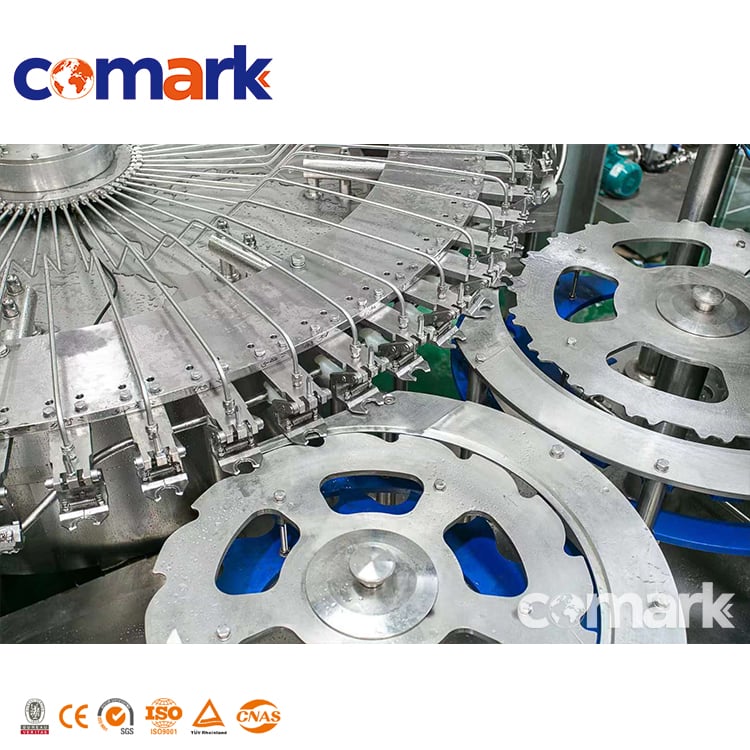
Introducing a carbonated drink filling machine involves understanding how to configure it for consistent CO2 levels in PET bottles. Maintaining the right carbonation levels is crucial for product quality, as it affects taste, shelf life, and customer satisfaction. This article will guide purchasing managers and engineers through the essential aspects of selecting, installing, and maintaining a carbonated drink filling machine, ensuring they meet their operational requirements and maximize efficiency.
What to Know
When configuring a carbonated filling machine, several critical factors come into play. First, understanding the CO2 injection system is essential. The machine should allow for precise control over CO2 levels to achieve the desired carbonation. This typically involves adjusting the temperature and pressure during the filling process, as both significantly impact gas solubility in the liquid.
Additionally, consider the materials used in the construction of the filling machine. Stainless steel is often preferred for its durability and resistance to corrosion, especially when dealing with acidic beverages. The design of the filling nozzles and their compatibility with different bottle sizes is also vital for ensuring minimal waste and optimal filling speeds.
Another important aspect is the machine's capacity. Buyers should evaluate their production needs to determine the appropriate size and throughput of the filling machine. A machine with adjustable settings may cater to varying production demands, providing flexibility for different product lines.
Evaluating Manufacturers of Filling Machines
When seeking a manufacturer for carbonated drink filling machines, several criteria should be evaluated to ensure quality and reliability. Start by assessing the manufacturer's experience and expertise in the beverage packaging industry. A reputable manufacturer, such as Zhangjiagang Comark Machinery Co., LTD., should have a proven track record of working with various beverage types and be able to demonstrate their capabilities through case studies or client testimonials.
Next, consider the manufacturing processes they employ. High-quality machines are typically produced using advanced technologies and undergo rigorous quality control measures. It's beneficial to inquire about the certifications the manufacturer holds, as these can indicate compliance with international standards for safety and performance.
Customization options are another key factor. A good manufacturer should offer tailored solutions to meet specific operational requirements, including unique filling volumes or integration with existing production lines. Lastly, evaluate the manufacturer’s support and after-sales service, which can significantly impact the machine's performance and longevity.
Installation Guidance for Your Carbonated Drink Filling Machine
Proper installation of a carbonated soft drink filling machine is crucial for ensuring optimal performance. Initially, ensure that the installation site meets the necessary conditions, including adequate space for the machine, proper electrical connections, and alignment with other equipment in the production line.
Before installation, review the manufacturer's guidelines and specifications for the machine. This documentation will provide insights into necessary utilities, such as air and water supply, as well as any specific environmental conditions required for optimal operation.
During installation, it is vital to calibrate the machine to the desired CO2 levels. This often involves setting parameters such as pressure and temperature in accordance with the beverage being filled. Following installation, conduct thorough testing with water or a similar non-carbonated liquid to ensure that the filling process is consistent and precise before introducing actual products. Regular maintenance checks post-installation will help sustain the machine's performance and prevent issues down the line.
What to Expect for Carbonated Drink Filling Machines
When operating a carbonated drink filling machine, buyers can expect several key features that enhance the filling process. Modern machines are designed for high efficiency, often capable of producing thousands of bottles per hour, depending on the model. The level of automation in these machines can also enhance productivity, reducing manual labor and minimizing human error.
In terms of maintenance, regular checks are essential to ensure the filling machine operates smoothly. This includes monitoring for wear and tear on components such as filling nozzles and seals. Additionally, buyers should expect to periodically recalibrate CO2 levels to maintain consistent carbonation quality across production runs.
Common problems to watch for include inconsistent fill levels, which may indicate issues with the CO2 injection system, or signs of contamination, which necessitate immediate attention to avoid product spoilage.
Where to Source High-Quality Carbonated Drink Filling Equipment
Sourcing high-quality carbonated drink filling equipment involves researching and comparing various suppliers. Start by identifying manufacturers with established reputations in the beverage packaging industry. Platforms like trade shows, industry publications, and online directories can be effective in locating credible suppliers.
Once potential suppliers are identified, request detailed quotations that include specifications, pricing, lead times, and available customization options. It’s also wise to ask for references or case studies from existing clients to evaluate the supplier's reliability and product performance.
Additionally, consider the supplier's commitment to after-sales support, as ongoing maintenance and troubleshooting are critical for long-term operational success. A supplier that provides comprehensive training, spare parts availability, and responsive customer service will be invaluable in ensuring that your carbonated drink filling production line operates at peak efficiency.

