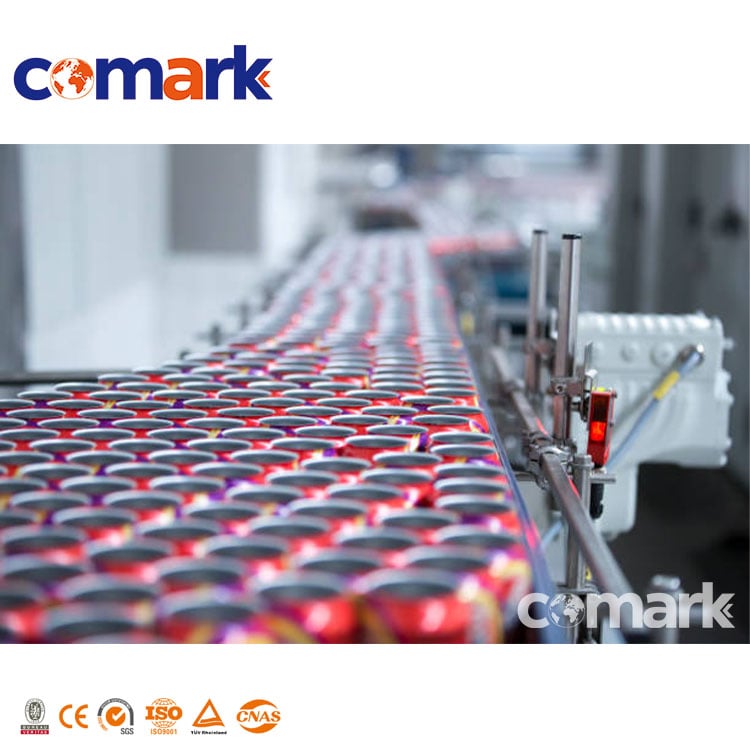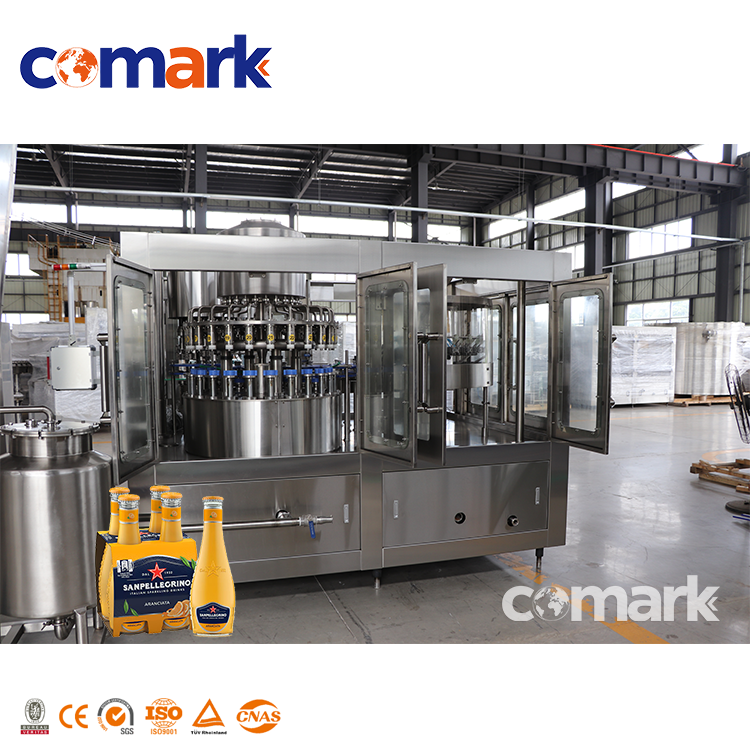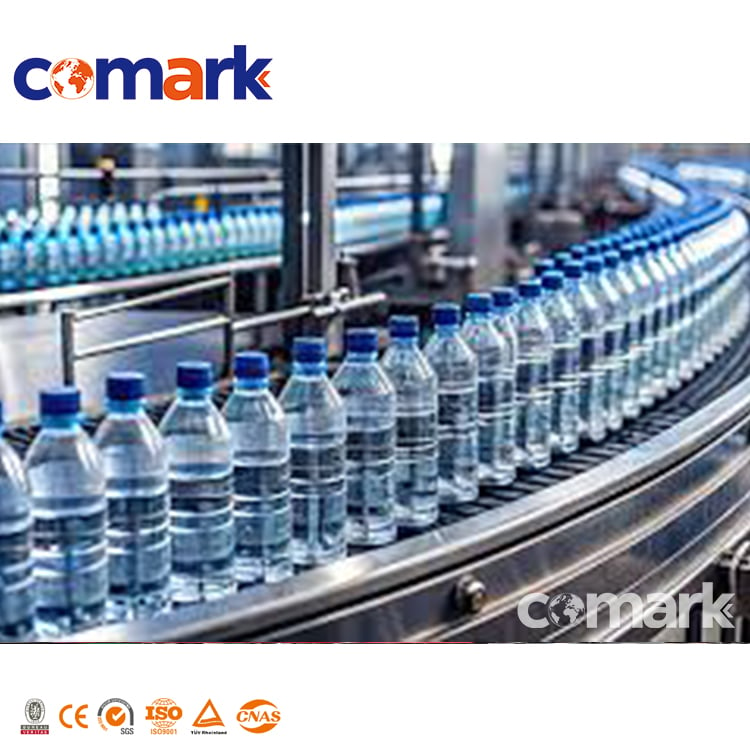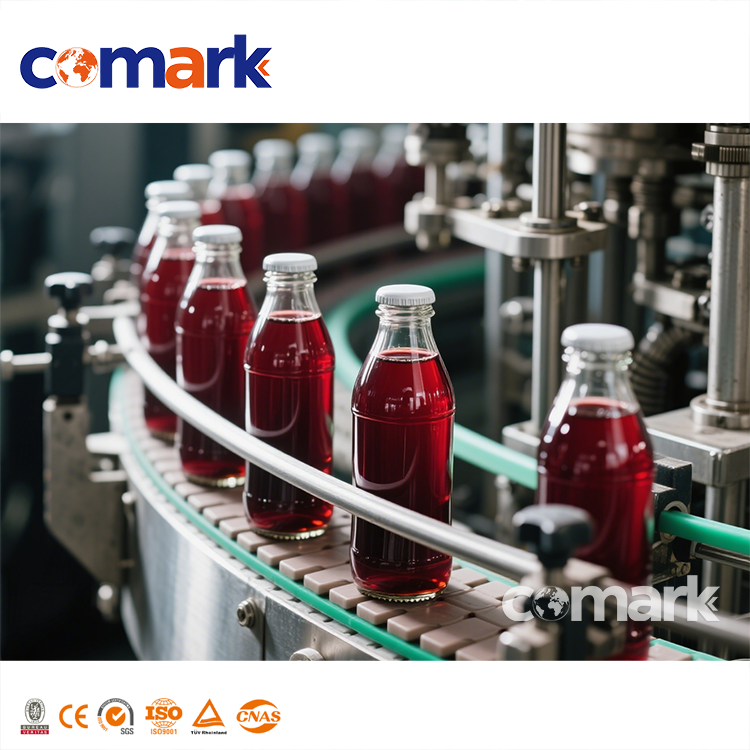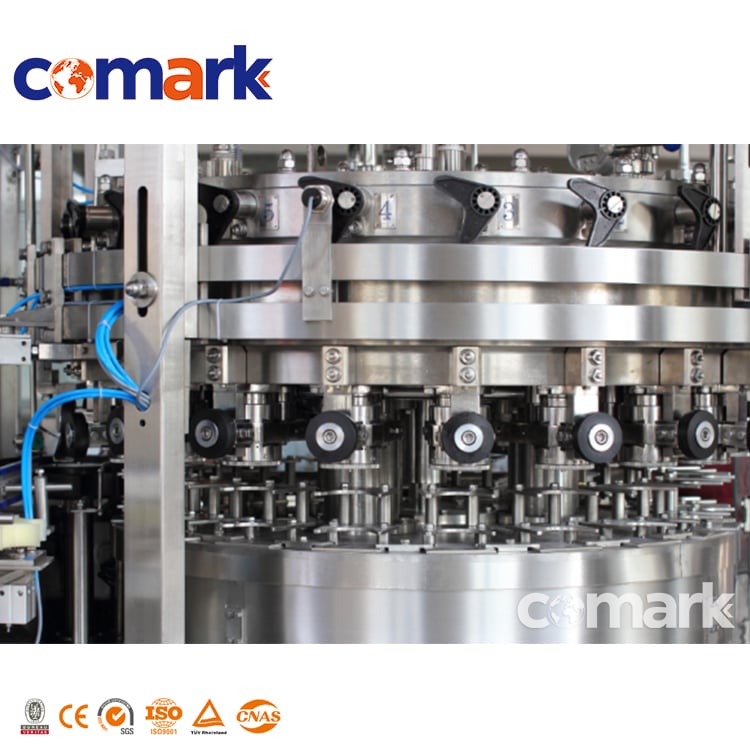
Bottled water is everywhere. It is purchased at stores, gyms and events. But have you ever wondered how it’s produced? The story of how bottled water is made is super interesting. Many companies, like COMARK, go through numerous processes to clean the water for us to drink. That process includes cleaning the water, filling bottles and packaging them for sale. Every step is vital in ensuring that each bottle of water is held to safety standards. Knowing how bottled water is produced allows us to appreciate what we drink and why some brands are better (and healthier) than others.
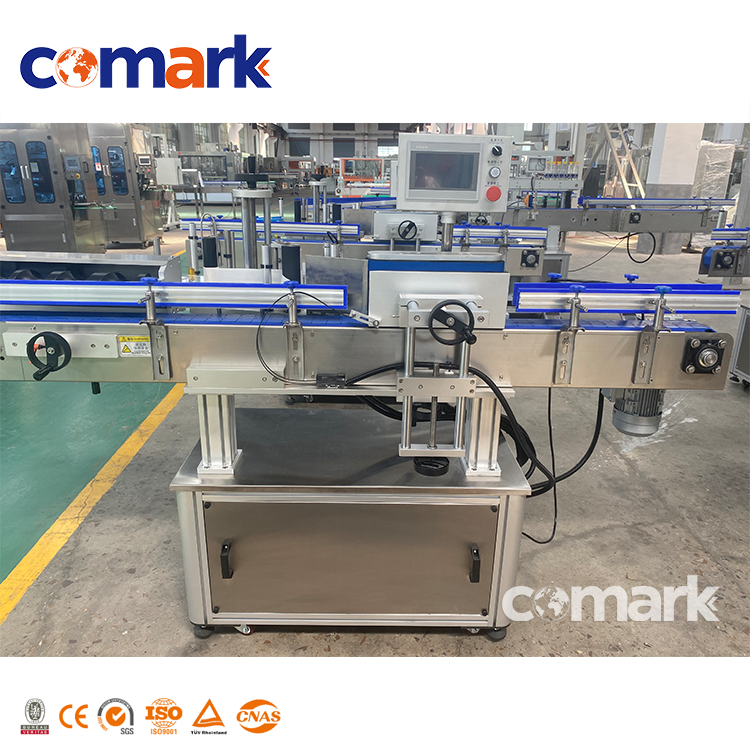
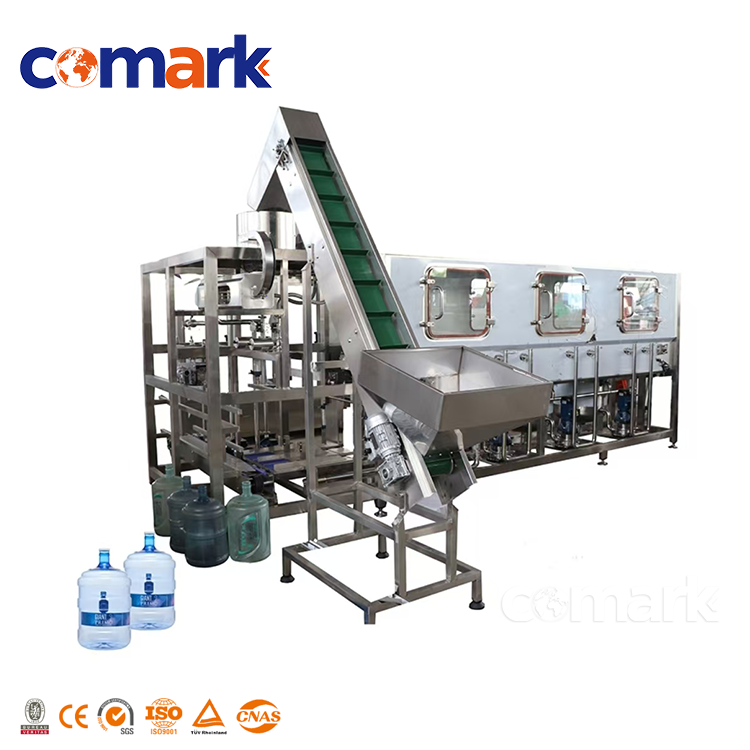
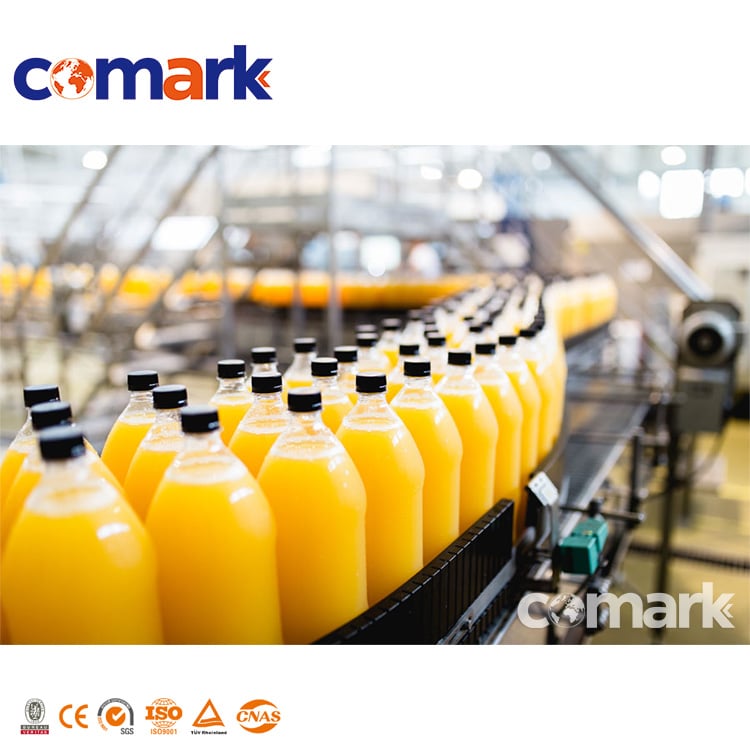
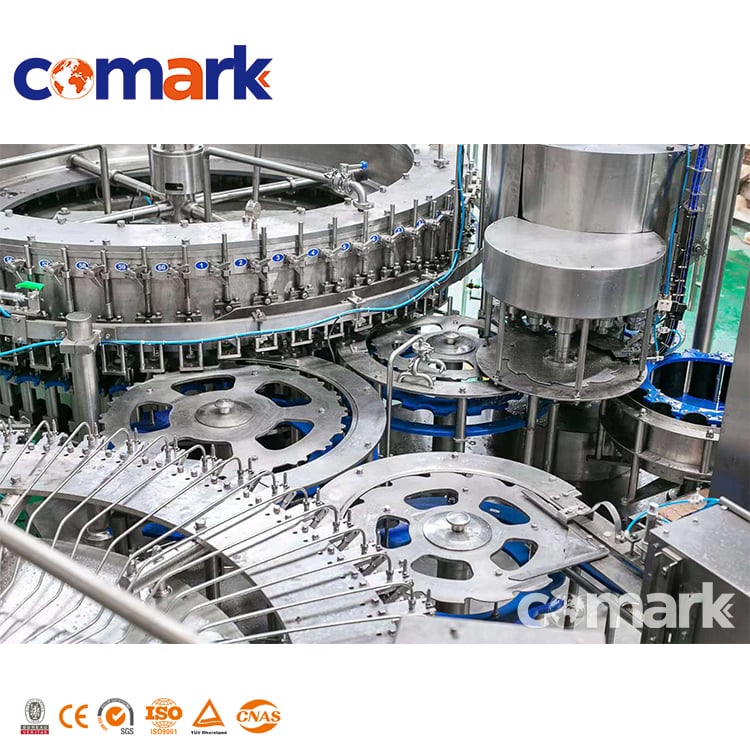
The first thing is to find water for your bottled water. Businesses seek out sources of clean, safe water. This could come from springs, wells or even a city’s water supply. When the water has been located, it is cleaned. This is where it’s filtered out to remove any impurities. After that, it’s usually treated with ultraviolet light or ozone to kill any germs. That is very important, because we have to ensure the safety of the water. That cleansed water is ready to bottle. That work takes place in a factory, with machines rapidly and efficiently filling bottles.
The filled bottles are capped and labeled. The label features key details like where the water comes from and the expiration date. This is for you to know what you are drinking. After labeling, the bottles are placed in boxes and sent off to stores or wholesalers. Wholesale purchasers need to understand this. They want to ensure that the water that they purchase is of good quality and safe for their constituency. When they purchase from a reputable manufacturer such as COMARK, they can rely on the product. This trust leads to their being able to develop a good reputation for the company itself. And when they serve up good bottled water, they bring in more health- and safety-conscious customers.
Quality of the water is also something else to think about. For example, a proper manufacturer (such as COMARK) will have every certification possible. That being said, this one adheres to strict safety and quality standards. It’s also a fine idea to inquire about their sourcing practices. Some of the distillers we cover can allow you to know for sure where your water comes from, and knowing that is half the battle in making sure it’s fresh and clean. And don’t neglect to scrutinize their production capacity, either. If you will be selling a high volume of bottled water, your manufacturer must be able to keep pace.
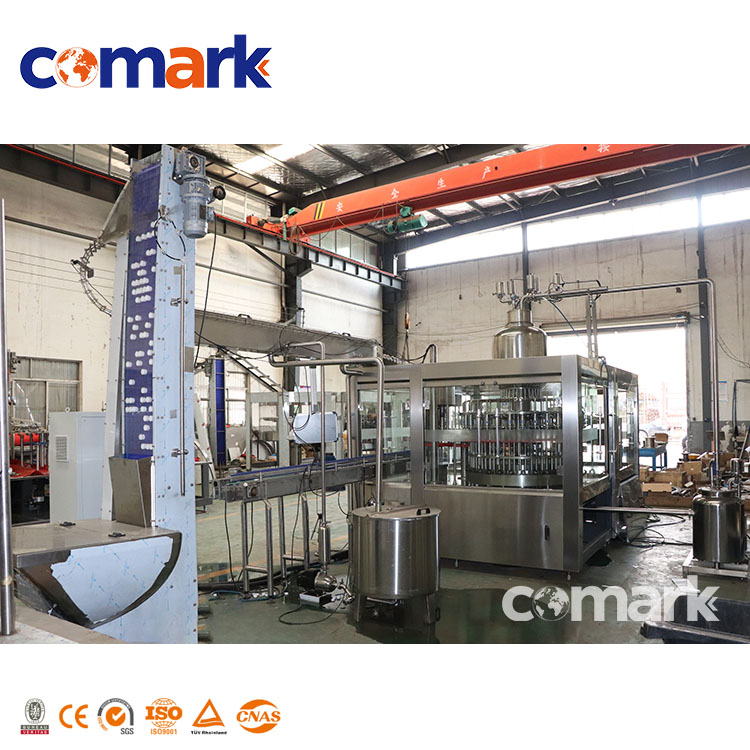
Lastly, think about the price. You want quality, but you also need to keep costs down. Check the prices of manufacturers, compare and find out how much you can get for your needs. And, as always, a good relationship with the supplier you’ve chosen is also important. Good communication can ensure you get the best products and service for your business. By following these guidelines, you can select a bottled water company that fulfills all your business needs at helps you thrive.
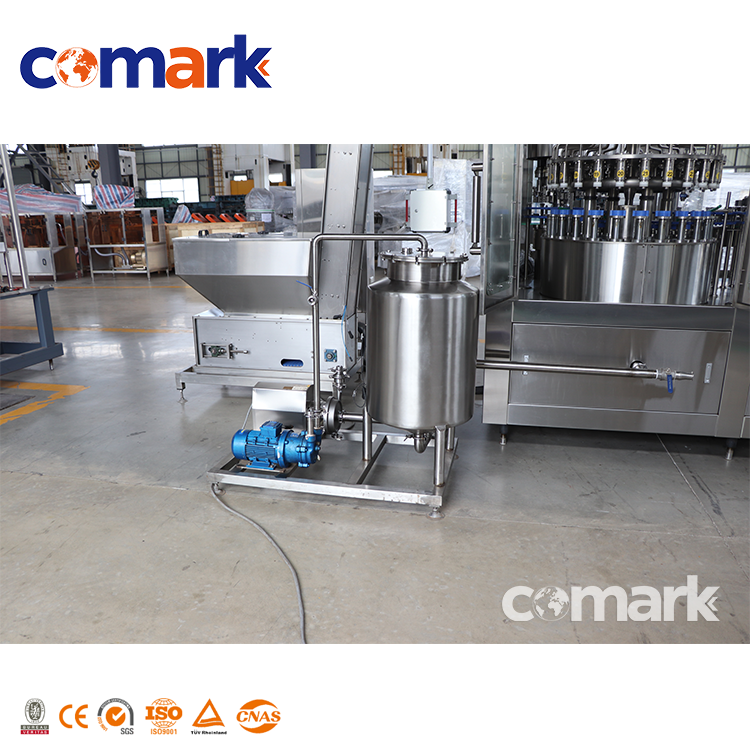
When producing bottled water some common mistakes to avoid can impact the quality of that water as well as the success of your business. A big thing is just not keeping everything clean.” If the machines, the bottles and also where stops to take this water are not clean it can happen that you get dirty water so is dangerous to drink. Wholesale buyers need to be able to offer safe, healthy products to their own customers, so companies should “always make sure everything is sanitized,” Mr. Becker said. A class of materials mismatch Have you ever tried a bottled iced tea or coffee and been greeted with a mouthful of plastic? Low-grade plastic bottles may easily break or allow water to be tainted with harmful chemicals. COMARK guarantees the only the most superior materials are used in manufacturing to retain bottled water safety and freshness. You should also have good quality control checks in place. This entails frequent checking of the water and bottles during manufacture. If anything is off, it can be corrected right away before the product makes it to the store. For instance, if the water is unsafe it should not be bottled. Lastly, communication is key. Manufacturers must communicate with their wholesale buyers to find out what they want and expect. That way they won’t make mistakes and you can build a good relationship with them. By concentrating on hygienic packaging, the use of quality materials, appropriate quality management measures and clear communication bottled water manufacturers can bring about a product that we all can trust.
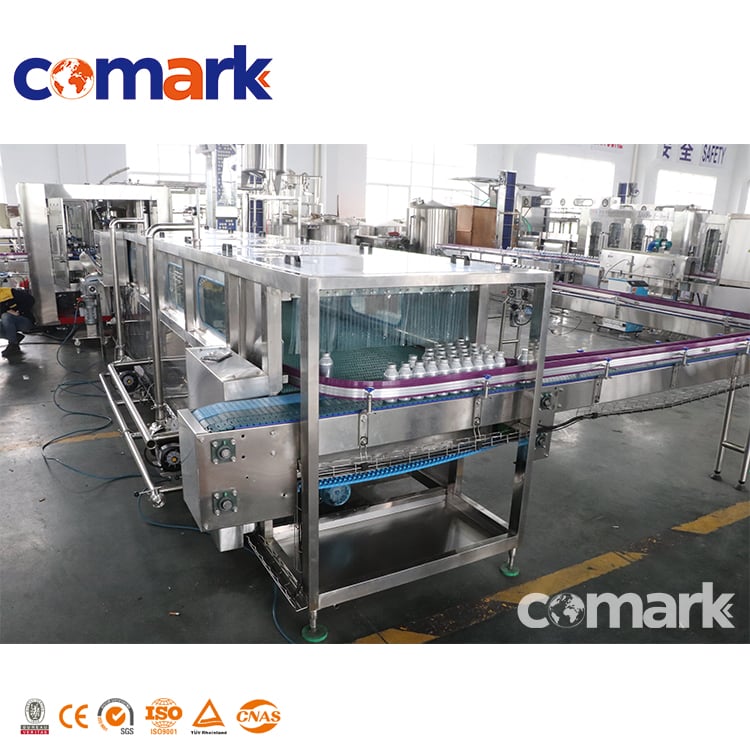
For bottled water to be made better and faster, companies can concentrate on a few key areas. For one thing, the state of the art has advanced a great deal. For instance, machines that fill the bottles up quickly and accurately can result in time savings and waste reduction. COMARK invests in current and brand new machinery to ease the bottling. That is less time spent standing around, waiting for bottles to fill and more time to hawk water. Another approach to getting better is by training workers. If the staff members know what they are doing, and understand the process, they can work better and catch clogs before they became a huge issue. Consistent training sessions can help all the team stay updated on industry’s best practices. Also, planning in the supply chain is very important. This involves securing enough raw materials, say bottles and caps, so the line doesn’t halt. When everything is well-planned, manufacturing can hum along and the company can serve its customers. Using data is also helpful. By studying historical amounts of sales and production, companies can forecast how much water they need to produce and when. This also serves to prevent the over or under production. By utilizing technology, training, planning and data bottled water manufacturers are able to produce products that have customers raving about them all while saving time and money. Bloody Mary Mix With these mixology trends it’s easy to see why we’re stoked on where the industry is headed in 2020 and into the next decade!
As a top-tier manufacturer in China, we specialize in the integrated R&D, production, and global supply of advanced beverage packaging machinery, serving industries such as drinks, beer, dairy, pharmaceuticals, and cosmetics.
Through strategic partnerships with leading institutions like Shanghai Jiao Tong University, we continuously enhance our equipment’s performance, stability, and design by integrating advanced international technology with local engineering expertise.
With our machinery exported to over 30 countries and regions, we have established a reliable international service and support network, ensuring our clients worldwide receive timely technical assistance and after-sales service.
We consistently drive technological advancement through patented designs and upstream-downstream equipment innovation, giving us a distinctive competitive edge in the beverage packaging machinery market.


 EN
EN